
The Maharaj Libel Case (1862) and The Bhatia Conspiracy Case: A Landmark in Colonial India’s Legal History
Introduction The Maharaj Libel Case (1862) and the Bhatia Conspiracy Case are among the most significant legal battles in British […]
Introduction The Maharaj Libel Case (1862) and the Bhatia Conspiracy Case are among the most significant legal battles in British […]

The Indus Waters Treaty (IWT), signed on September 19, 1960, is a pivotal agreement between India and Pakistan, facilitated by

The Indus River, a 3,180-kilometer artery flowing from the Tibetan Himalayas to the Arabian Sea, is a cornerstone of human

The Hindu population in the regions that now form Pakistan has undergone significant changes due to the Partition of India

The FATF Grey List, formally known as “Jurisdictions under Increased Monitoring,” is a pivotal tool in the global fight against financial
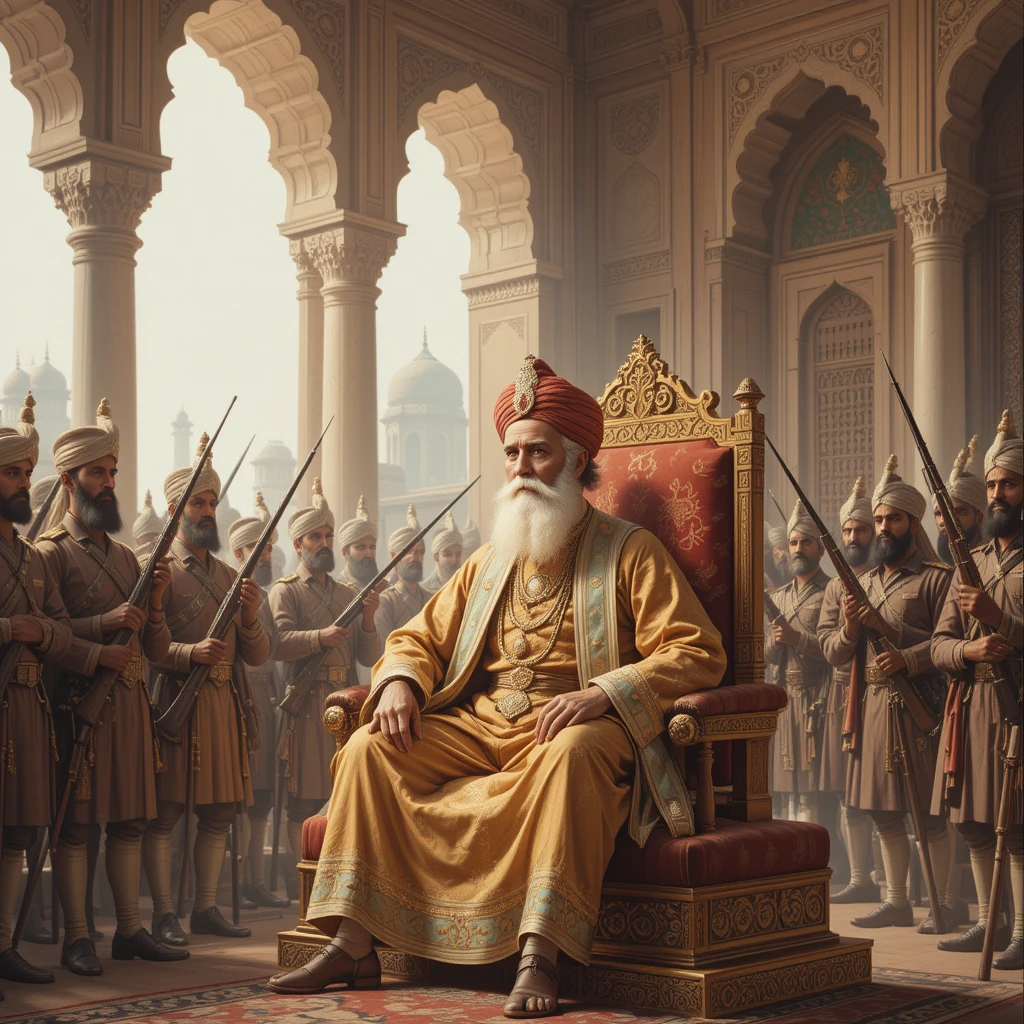
Introduction Bahadur Shah Zafar, born Abu Zafar Siraj-ud-Din Muhammad on October 24, 1775, was the final emperor of the Mughal

The Indian national flag, fondly known as the Tiranga (tricolor), stands as an enduring symbol of India’s sovereignty, unity, and cultural heritage.

India’s constitutional and legal framework for military operations balances strategic agility with democratic oversight, ensuring that decisions to deploy armed

Mahadevi Verma, often referred to as the “Modern Meera,” was one of the most influential figures in Hindi literature and

The Rakhigarhi Excavation in Haryana, India, stands as a monumental endeavor in uncovering the secrets of the Indus Valley Civilization (IVC), one of