


Who Were Considered Citizens of India Till 1992 as per the Constitution of India
Introduction The framework for Citizens of India is enshrined in Part II of the Constitution of India, encompassing Articles 5 […]
Introduction The framework for Citizens of India is enshrined in Part II of the Constitution of India, encompassing Articles 5 […]
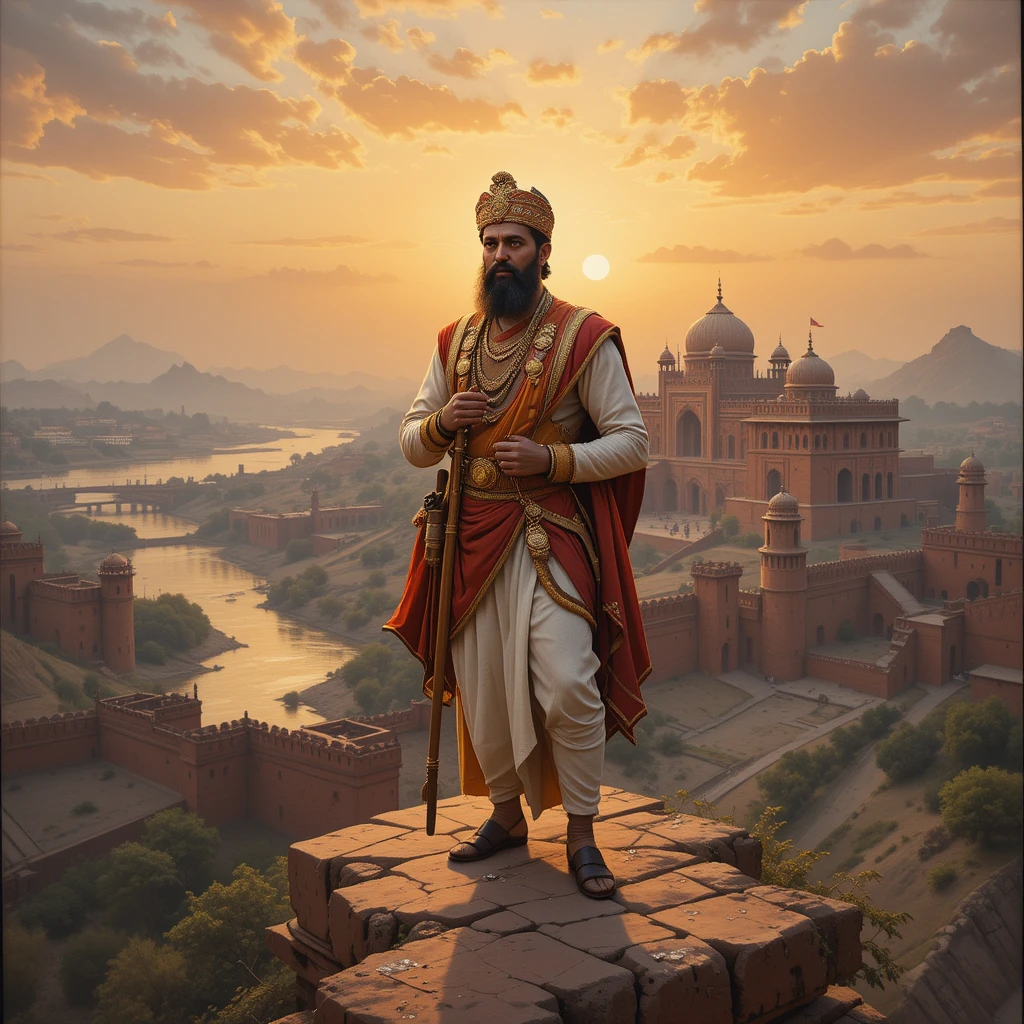
Introduction Maharaja Surajmal- In the swirling vortex of 18th-century Indian politics, where empires crumbled and new powers emerged from the

Introduction: The Evolution of India’s Electoral Framework and the Role of the Election Commission India’s democratic framework stands as a

Introduction: Reevaluating the Narrative of Indian Scripts The history of writing in ancient India is a complex interplay of innovation,

Setting the Stage: The Power of Comparing Historical Voices Think of ancient history as a grand, echoing conversation across centuries

1. Introduction Defining “Ancient Civilization”:Archaeologists often define a “civilization” through a constellation of traits: urban centers, agricultural surplus, social stratification,

Introduction: The Life and Scholarly Odyssey of Father Camille Bulcke Father Camille Bulcke, born on September 1, 1909, in the

Introduction The Congress Working Committee (CWC) meeting in Wardha, held from July 5 to July 14, 1942, represents a watershed

Introduction The 6th to 5th centuries BCE, often called the Axial Age, was a pivotal era when transformative ideas reshaped

Rajiv Gandhi, India’s sixth Prime Minister, served from October 31, 1984, to December 2, 1989, stepping into the role at