
In a nation that once championed “scientific temper” as a fundamental duty under Article 51A of its Constitution, the promotion of cow dung and urine as miracle cures for cancer represents a troubling regression. Coined by Jawaharlal Nehru in his 1946 book The Discovery of India, scientific temper embodies a rational, evidence-based approach to knowledge, rejecting superstition and dogma. Yet, under recent governments, India has seen a surge in state-sponsored initiatives exploring “panchgavya”—a mixture of cow milk, curd, ghee, dung, and urine—for medical applications, including cancer treatment. These efforts, often framed in cultural and nationalist terms, have drawn sharp criticism from scientists who label them pseudoscience, diverting resources from proven research and eroding public trust in science. This article dissects the traditional claims, scrutinizes the scientific evidence (or lack thereof), examines government involvement, and critiques the broader implications for India’s scientific landscape.
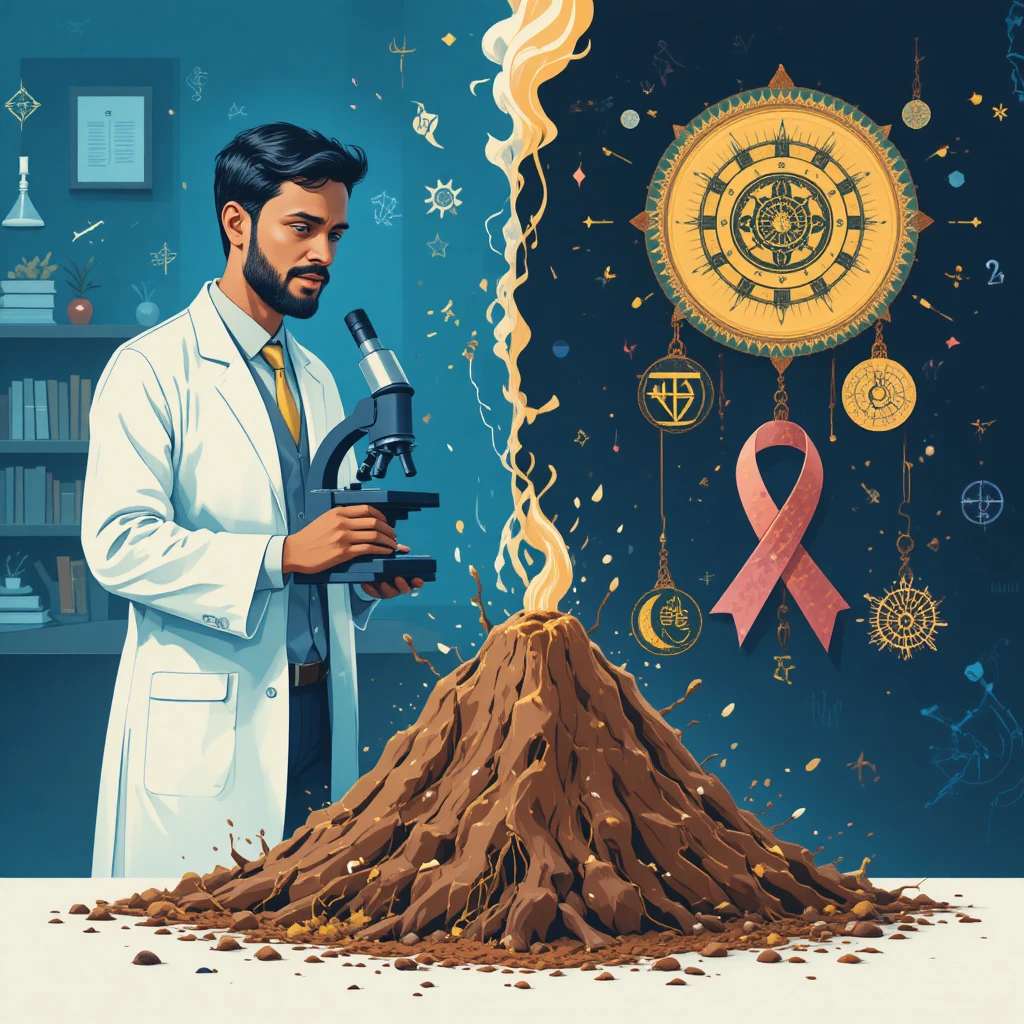
Table of Contents

Traditional Claims and the Allure of Panchgavya
Ayurveda, India’s ancient system of medicine, has long revered panchgavya as a “rasayana” or rejuvenating elixir capable of balancing bodily humors and treating ailments. Proponents assert that cow urine (gomutra) contains bioactive compounds like urea, uric acid, and allantoin, which act as antioxidants and free radical scavengers, potentially inhibiting cancer cell growth. Cow dung is similarly praised for its antimicrobial properties when used in topical applications or as a bio-fertilizer with indirect health benefits.
Anecdotal reports abound: a 2010 survey in Mandsaur District, Madhya Pradesh, claimed that cancer patients experienced symptom relief after 2-3 months of cow urine therapy. Political figures have amplified these claims; BJP MP Sadhvi Pragya Thakur asserted in 2019 that cow urine cured her breast cancer, drawing widespread condemnation from oncologists. Such narratives tap into cultural reverence for cows in Hinduism, positioning panchgavya as a “sanjivani” (life-giving) substance.
Scientific Scrutiny: Limited Evidence Meets Health Risks
While some preliminary research suggests potential bioactivity, the evidence for cow dung and urine as cancer cures is overwhelmingly weak and unsubstantiated. A 2015 review in the Journal of Intercultural Ethnopharmacology highlighted cow urine’s antioxidant properties, which inhibited tumor growth in Swiss albino mice exposed to carcinogens. Another study in the International Journal of Cow Science found that cow urine distillate enhanced the efficacy of anticancer drugs like paclitaxel in vitro against human breast cancer cells. Research on Red Sindhi cow urine reported reduced tumor incidence in mice with Ehrlich ascites carcinoma, attributing effects to volatile fatty acids and antioxidants.
However, these studies are largely confined to animal models or cell lines, lacking rigorous human clinical trials. A 2022 in vitro study on panchgavya against human colon adenocarcinoma cells showed concentration-dependent inhibition, but emphasized the need for further validation. Critics, including Wikipedia’s summary, note that while cow products serve as fertilizers, claims of curing diseases like cancer lack scientific backing.
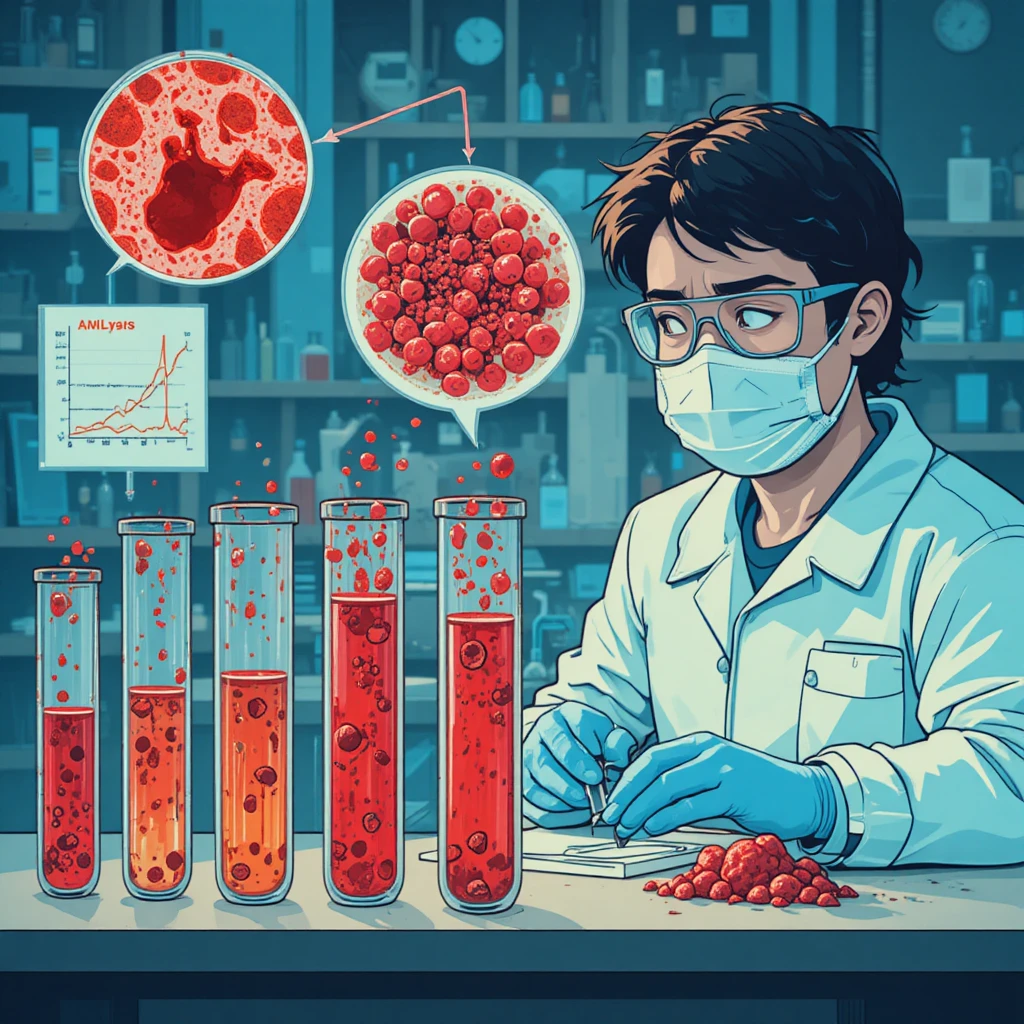
More damning are reports highlighting risks. A 2023 peer-reviewed study by the Indian Veterinary Research Institute (IVRI) analyzed 73 urine samples from cows, buffaloes, and humans, identifying 14 types of potentially pathogenic bacteria, including Escherichia coli, which can cause severe infections like kidney issues and pneumonia. The study concluded that fresh cow urine is unfit for direct human consumption, though buffalo urine showed stronger antibacterial activity against some strains. Cow dung, too, harbors bacteria like Salmonella and Pseudomonas aeruginosa, posing respiratory and infection risks. IVRI’s findings, echoed in publications like The Telegraph, warn that unprocessed cow products could exacerbate ailments in immunocompromised cancer patients.
Government Initiatives: Funding Myths Over Science?
India’s government has increasingly directed public funds toward research on cow-derived products, framing these efforts as a blend of traditional knowledge and modern science. However, these initiatives have sparked controversy, with critics arguing they prioritize cultural and political agendas over rigorous scientific inquiry. Programs like SUTRA-PIC and state-level projects exemplify this trend, often leading to allegations of wasted resources and pseudoscience. Below, we expand on key aspects of these initiatives, highlighting their origins, implementations, and criticisms.
The Formation of National Committees and Programs
The push for government-backed research on panchgavya began gaining momentum in 2017 with the establishment of a national committee tasked with validating the curative properties of cow milk, curd, ghee, dung, and urine as described in Ayurvedic texts. This committee, formed under the Ministry of Science and Technology, aimed to solicit and vet research proposals to “scientifically validate” panchgavya’s potential in treating various ailments, including cancer.
Building on this, the 2020 launch of SUTRA-PIC (Scientific Utilization Through Research Augmentation-Prime Products from Indigenous Cows) marked a significant escalation. Led by the Department of Science and Technology (DST) in collaboration with ministries like AYUSH, Biotechnology, and the Indian Council of Medical Research (ICMR), the program invites proposals for R&D on indigenous cows. It covers five themes: the uniqueness of indigenous cows, prime products for medicine (including anticancer and diabetes drugs), agricultural applications like pesticides, nutritional value of cow milk, and utility items such as shampoos and floor cleaners. The SEED division of DST manages the program, emphasizing capacity building and technology development.
By 2021, 34 proposals under SUTRA-PIC had been recommended for funding, focusing on providing a scientific basis for ancient claims about cow products. Recent updates as of 2025 indicate ongoing research, such as profiling cow dung and urine for utility products like personal care items, funded by DST. Proponents argue these efforts could lead to sustainable, economically beneficial products for farmers.
State-Level Projects: The Madhya Pradesh Panchgavya Initiative
At the state level, Madhya Pradesh has been a frontrunner in cow-based research. In 2011, the government sanctioned Rs 3.5 crore (out of a requested Rs 8 crore) for a project at Nanaji Deshmukh Veterinary Science University (NDVSU) in Jabalpur to explore panchgavya’s potential in curing serious diseases, including cancer. The initiative aimed to scientifically validate traditional mixtures of cow dung, urine, milk, curd, and ghee as treatments.
Over the years, the project involved procuring materials and conducting experiments, but it has yielded no major breakthroughs after more than a decade. Similar efforts, like workshops at IIT-Delhi in 2016, have sought medical miracles from cow urine and dung, blending academia with traditional claims.
Allegations of Financial Irregularities and Probes
Recent developments have cast a shadow over these initiatives. As of January 2026, the Madhya Pradesh panchgavya project is under intense scrutiny for alleged financial mismanagement. A probe ordered by Jabalpur Collector Raghvendra Singh, led by Additional Collector RS Marawi, revealed that between 2011 and 2018, Rs 1.92 crore was spent on basic materials like cow dung, urine, storage vessels, and machinery—items estimated to cost only Rs 15-20 lakh at market rates.
The investigation highlighted inflated prices, unnecessary air travel (23-24 trips to cities like Goa and Bengaluru), and purchases of vehicles not included in the original estimates. Despite the expenditure, no cure for cancer or other diseases has emerged, raising questions about accountability. University officials deny wrongdoing, but the probe’s findings suggest a potential Rs 3.5 crore scam. This scandal has been widely reported, with critics labeling it a misuse of public funds under the guise of research.
Scientific Community’s Backlash and Calls for Withdrawal
These government efforts have faced vehement opposition from the scientific community. Over 500 scientists petitioned in 2020 to withdraw the SUTRA-PIC call for proposals, calling it “infuriating” and politically motivated pseudoscience. Critics argue that funding unproven claims diverts resources from evidence-based research.
Oncologists have condemned claims, such as those by BJP MP Sadhvi Pragya Thakur in 2019, that cow urine cured her cancer. Broader concerns include the erosion of scientific temper, with petitions decrying the blending of myth with science in education and funding.
Implications for India’s Research Priorities and Future Directions
These initiatives reflect a broader shift in India’s research landscape, where nationalist sentiments promote “cow science” at the expense of global standards. While some projects, like those under SUTRA-PIC, continue with funding for profiling cow products, scandals like the Madhya Pradesh probe underscore risks of corruption and inefficiency. Critics warn that such funding myths could hinder genuine scientific progress, urging a return to evidence-based priorities to maintain India’s credibility in global research.
Criticizing the Myth: Erosion of Scientific Temper
The promotion of cow dung and urine as cancer cures exemplifies a broader erosion of scientific temper in India—a constitutional ideal championed by Jawaharlal Nehru to foster rationality, inquiry, and evidence-based thinking. Coined in Nehru’s The Discovery of India, scientific temper was enshrined in Article 51A of the Constitution as a fundamental duty, urging citizens to develop a questioning mindset free from superstition. However, recent decades have seen a troubling shift toward “gobar temper”—a satirical term punning on cow dung (gobar) to denote irrationality—fueled by nationalist agendas blending pseudoscience with governance. This critique examines how unverified claims about panchgavya undermine scientific integrity, drawing on high-profile incidents, community backlash, and societal implications, particularly amid ongoing controversies in 2025 and beyond.
Historical Foundations: Nehru’s Vision vs. Modern Regression
Nehru envisioned scientific temper as the bedrock of a progressive India, emphasizing empirical evidence over dogma in his 1946 writings. This ethos was formalized in 1976 through constitutional amendments, positioning rationality as essential for national development. Yet, critics argue that under successive governments, especially since 2014, this vision has been diluted by the promotion of faith-based knowledge. Organizations linked to the Rashtriya Swayamsevak Sangh (RSS) have long advocated for curricula incorporating mythological narratives, such as proving the historicity of epics like the Ramayana, bypassing scientific methods. This regression is evident in policies exaggerating ancient Indian knowledge while sidelining modern evidence, eroding the rational foundation Nehru sought to build.
The Integration of Pseudoscience into Governance and Policy
Government initiatives have increasingly channeled funds into unproven remedies like panchgavya, a mixture of cow milk, curd, ghee, urine, and dung touted as a cure-all. In 2017, IIT Delhi was tasked with coordinating research on its benefits, a move decried as supporting pseudoscience. By 2020, programs like SUTRA-PIC aimed to validate cow products for medical uses, including cancer treatments, despite lacking preliminary evidence. Critics label this “scientific cronyism,” where unsubstantiated claims receive official endorsement, confusing public perception and diverting resources from legitimate research. The 2021 postponement of a nationwide “cow science” exam, riddled with false claims like gold in cow milk or earthquakes from cow slaughter, highlighted how policy can propagate misinformation. Even in 2025, satirical hoaxes about declaring cow dung and urine fit for consumption underscore the blurred lines between myth and official narrative.
High-Profile Controversies: From Academia to Public Health
Academic institutions, once bastions of rationality, have become flashpoints. In January 2025, IIT Madras Director V. Kamakoti’s promotion of cow urine’s medicinal value drew accusations of peddling pseudoscience from politicians and the Indian Medical Association. Similarly, an April 2025 incident at Delhi University, where a principal coated walls with cow dung as a “research project” for heat mitigation, symbolized the infiltration of traditional beliefs into education, prioritizing folklore over science. During the COVID-19 pandemic, misinformation peaked with government officials endorsing cow dung baths and urine consumption, risking secondary infections amid unproven claims. Baba Ramdev’s Coronil, promoted as a COVID cure, faced Supreme Court scrutiny in 2024 for misleading ads, exemplifying how commercial pseudoscience exploits eroded scientific standards. Recent scandals, like the 2026 probe into Rs 3.5 crore funding for cow-based cancer research at Nanaji Deshmukh Veterinary Science University—yielding no results but lavish trips—further illustrate misuse under the guise of science.
Scientific Community’s Resistance: Petitions and Calls for Integrity
The scientific establishment has mounted vocal opposition. In 2020, over 500 scientists petitioned against funding for cow product research, arguing it biases outcomes and undermines credibility. A 2017 petition highlighted the creeping spread of pseudoscience, including government neglect of funding while supporting unscientific ideas. By 2019, Science Magazine noted Hindu pride fueling pseudoscience, with claims of therapeutic value in cow urine and dung lacking evidence. In 2024, over 100 scientists criticized the government’s anti-science stance, urging adherence to constitutional values amid exaggerated ancient knowledge claims. These efforts emphasize a united front to combat erosion, warning that unverified ideas during crises like COVID-19 exacerbate public harm.
Societal and Long-Term Implications: Risks to Progress and Health
This myth’s perpetuation threatens India’s scientific legacy, fostering blind faith in education and policy. Public health risks are acute: 2023 IVRI research found harmful bacteria in cow urine, contradicting antibacterial myths and endangering vulnerable populations. Broader impacts include stalled innovation, as funds for pseudoscience divert from evidence-based research, potentially hindering global competitiveness. Critics warn of ideological imposition, as seen in satirical critiques of bovine products in food, blurring cultural sovereignty with rationality. Reclaiming scientific temper requires prioritizing empirical discourse, ensuring traditions complement rather than supplant science for sustainable progress.
Conclusion: Reclaiming Rationality
India stands at a crossroads where reclaiming scientific temper is not just an intellectual imperative but a societal necessity to foster genuine progress and public health. The myth surrounding cow dung and urine as cancer cures, perpetuated through unverified traditional claims and government-backed initiatives, exemplifies how pseudoscience can erode evidence-based discourse. As Nehru envisioned in his foundational ideas, scientific temper—rooted in skepticism, empirical validation, and rational inquiry—must be revitalized to counter the rising tide of “gobar temper.” This conclusion synthesizes the critiques, proposes actionable steps for reform, and underscores the long-term benefits of prioritizing science over superstition, drawing on ongoing developments as of 2026.
Synthesizing the Critique: Myths vs. Empirical Reality
The discourse on panchgavya reveals a stark disconnect: while preliminary studies hint at bioactive compounds in cow urine and dung, robust clinical evidence for cancer cures remains absent, overshadowed by proven risks like bacterial contamination identified in IVRI’s 2023 research. Traditional allure, amplified by political endorsements such as Sadhvi Pragya Thakur’s 2019 claims, has fueled public misconceptions, leading vulnerable patients to forgo proven treatments. Government programs like SUTRA-PIC, despite intentions to blend Ayurveda with science, have instead diverted funds—evidenced by the 2026 Madhya Pradesh probe into Rs 3.5 crore spent with no breakthroughs—highlighting inefficiency and potential corruption. This synthesis underscores that myths, when institutionalized, not only waste resources but also endanger lives, as seen during COVID-19 when unproven cow-based remedies contributed to misinformation and health risks. Reclaiming rationality demands acknowledging these pitfalls and committing to evidence over ideology.
Actionable Reforms: Policy and Institutional Changes
To reverse the erosion, policymakers must enact reforms prioritizing transparency and rigor. First, funding for research should mandate peer-reviewed protocols, with independent audits to prevent scandals like the ongoing Nanaji Deshmukh Veterinary Science University investigation. The Department of Science and Technology (DST) and AYUSH Ministry could integrate stricter guidelines for programs like SUTRA-PIC, requiring human clinical trials before endorsing claims. Educational curricula need reinforcement of scientific temper, as advocated in 2024 petitions by over 100 scientists, incorporating critical thinking modules to debunk pseudoscience from an early age. Regulatory bodies like the Indian Medical Association should enforce stricter penalties for misleading health claims, as demonstrated in the 2024 Supreme Court ruling against Baba Ramdev’s Coronil promotions. International collaborations could benchmark India’s efforts against global standards, ensuring cultural traditions are explored ethically without compromising scientific integrity. These reforms, if implemented, could transform potential pitfalls into opportunities for validated integrative medicine.
Empowering the Scientific Community and Public Awareness
Empowerment begins with amplifying voices of dissent. Petitions from 2020, signed by over 500 scientists against cow product research funding, illustrate the community’s role in safeguarding rationality. Institutions like IITs must lead by example, countering controversies such as the 2025 remarks by IIT Madras Director V. Kamakoti on cow urine’s benefits through evidence-based forums. Public awareness campaigns, leveraging media and digital platforms, can educate on risks—drawing from IVRI’s findings of harmful bacteria in cow urine—and promote verified treatments. Grassroots movements, inspired by Nehru’s legacy, could advocate for constitutional adherence to Article 51A, fostering a culture where questioning myths is encouraged. By 2026, initiatives like rationalist societies’ workshops have shown promise in debunking pseudoscience, emphasizing that true reverence for tradition lies in its scientific scrutiny. Empowering citizens with knowledge ensures myths do not overshadow progress.
Long-Term Benefits: Advancing Health, Innovation, and Global Standing
Reclaiming rationality promises multifaceted gains. In health, shifting to evidence-based approaches could reduce reliance on unproven remedies, improving cancer outcomes through advanced therapies rather than panchgavya myths. Innovation would flourish as resources redirect toward cutting-edge research, potentially isolating beneficial compounds from cow products via biotechnology, sans risks. Economically, sustainable agriculture using validated cow-based fertilizers could benefit farmers without pseudoscientific overreach. Globally, India could enhance its reputation by aligning with international scientific norms, attracting collaborations and countering perceptions of anti-science policies as noted in 2019 Science Magazine critiques. Ultimately, honoring Nehru’s vision fosters a resilient society, where cultural heritage complements science, ensuring equitable development and informed citizenship. As India navigates 2026 and beyond, rationality must prevail to secure a future unburdened by myths.
References and Sources
- Chemotherapeutic potential of cow urine: A review – PMC – NIH
- Indian scientists decry ‘infuriating’ scheme to study benefits of cow dung, urine, and milk
- Indian Cow Urine as a Therapeutic Alternative in Treatment of Human Diseases
- Exploring the pharmacological potential of Red Sindhi Cow urine: An in vivo approach
- Cow products to cure cancer: MP govt spent Rs 3.5 cr on research; probe now puts scanner on where money went
- Peptide profiling in cow urine reveals molecular signature of physiology-driven pathways and in-silico predicted bioactive properties
- ANTI-CANCER EFFECT OF PANCHAGAVYA ON HUMAN COLON ADENOCARCINOMA (HCT-116) CELL LINE (web:9)
- Cow urine distillate as bioenhancer – PMC – NIH
- Cow urine – Wikipedia
- Cow urine unfit for humans, says top animal research body IVRI
- The dangers lurking in Ayurveda – why the holistic therapy is doing more harm than good
- Bacterial profile and comparative antimicrobial efficacy of fresh urine of cows, buffaloes and humans
- Cow Urine Unfit for Humans, Contains Harmful Bacteria, Says Veterinary Research Body
- From kidney stones to pneumonia, cow urine can cause diseases; unfit for human consumption, says ICAR-IVRI study
- Cow urine can be a boon for humans: IVRI
- Cow products to cure cancer: MP govt spent Rs 3.5 cr on research; probe now puts scanner on where money went
- Indian scientists decry ‘infuriating’ scheme to study benefits of cow dung, urine, and milk
- “Cancer Research” Project In Madhya Pradesh Under Scanner Over Financial Irregularities
- Shampoo, oil, cancer drugs from cow urine, dung — what Modi govt wants scientists to work on
- IIT-Delhi workshop looks for medical miracle in cow urine, dung
- India’s Disgrace | Science | AAAS
- Face It: The Indian Government Is Peddling Pseudoscience
- Creeping spread of pseudoscience worries Indian scientists
- As India’s health system falters, COVID quackery gets a boost with officials promoting coronavirus misinformation
- V Kamakoti: IIT-Madras Director hails ‘gaumutra’ for med value, draws flak
- Myth & Medicine In Modern India: How Pseudoscience Found Its Place In Governance
- Scientific temper – Wikipedia
- Nehru wanted India to develop a scientific temper. Today’s leaders are doing the opposite