
Introduction
The death of Adolf Hitler on April 30, 1945, marked the symbolic end of the Third Reich, a regime that had plunged Europe into the deadliest conflict in human history and orchestrated one of the most systematic genocides ever recorded—the Holocaust. As Allied forces closed in on Berlin, Hitler’s suicide in his bunker did not immediately erase the legacy of his supporters. Instead, it thrust them into a precarious existence, where many chose to vanish into obscurity rather than face the consequences of their allegiance. This article delves into the reasons why and how these individuals—ranging from high-ranking SS officers to ordinary party members—lived lives shrouded in secrecy, often in isolation, after the war. It also examines the atrocities committed by the Nazis under Hitler, particularly against Jews and other marginalized groups, which posthumously shamed the regime and its adherents. Finally, drawing from historical lessons, it offers suggestions for contemporary and future leaders to avoid actions that harm nations, humanity, and even their own supporters.
Table of Contents
The post-war period was a time of reckoning for Germany and the world. The Nuremberg trials, beginning in November 1945, exposed the horrors of Nazi rule to global scrutiny, prosecuting key figures for war crimes, crimes against humanity, and crimes against peace. These proceedings, along with subsequent denazification efforts, aimed to purge Nazi ideology from German society and hold individuals accountable. However, the scale of involvement in the regime was vast: millions had joined the Nazi Party, served in the military, or participated in its bureaucratic machinery. Not all were tried; many slipped through the cracks, fearing prosecution, social ostracism, or vigilante justice. Their stories reveal a complex interplay of survival instincts, denial, and the lingering shadows of complicity.
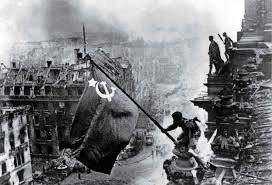
Why did supporters hide? Primarily, it stemmed from the fear of Allied justice. The Moscow Declaration of 1943 had warned that Nazi war criminals would be pursued “to the uttermost ends of the earth.” With the war’s end, this became reality. High-profile figures like Adolf Eichmann and Josef Mengele fled to South America, while lower-level supporters changed names and lived reclusively in Germany or elsewhere. Isolation was both a tactic and a consequence: cut off from former networks, they often endured lonely existences, haunted by their pasts.
The atrocities that shamed the Nazis post-Hitler were manifold. The Holocaust alone claimed six million Jewish lives through ghettos, mass shootings, and extermination camps like Auschwitz. But the regime’s victims extended beyond Jews to include Roma, disabled individuals, Soviet POWs, Poles, homosexuals, and political dissidents—totaling millions more. These crimes, documented through survivor testimonies, Nazi records, and archaeological evidence, transformed the swastika from a symbol of power to one of infamy.
For modern leaders, the Nazi era offers stark warnings. Actions that prioritize ideology over humanity, such as state-sanctioned incitement or dehumanization, can lead to national ruin and personal downfall. By examining historically proven evidences—from Nuremberg transcripts to declassified Allied reports—this article underscores the need for ethical governance to safeguard countries, humanity, and even loyal followers from the repercussions of tyranny.
This exploration is grounded in verified historical sources, including declassified documents, eyewitness accounts, and scholarly analyses. It aims not to sensationalize but to educate, ensuring that the lessons of the past inform a more just future. As we proceed, the narrative will unfold in detail, revealing the human cost of fanaticism and the paths to redemption.
Why Hitler Supporters Hid After His Death
The collapse of the Third Reich in May 1945 left Hitler’s supporters in a state of profound vulnerability. With the Führer’s death and Germany’s unconditional surrender, the once-mighty Nazi apparatus disintegrated, exposing its members to the wrath of victors and victims alike. Many chose to hide, adopting new identities or retreating into isolation, driven by a confluence of fears: legal prosecution, social rejection, and personal retribution. This section explores these motivations, drawing on historical evidences from post-war trials, intelligence reports, and survivor narratives.
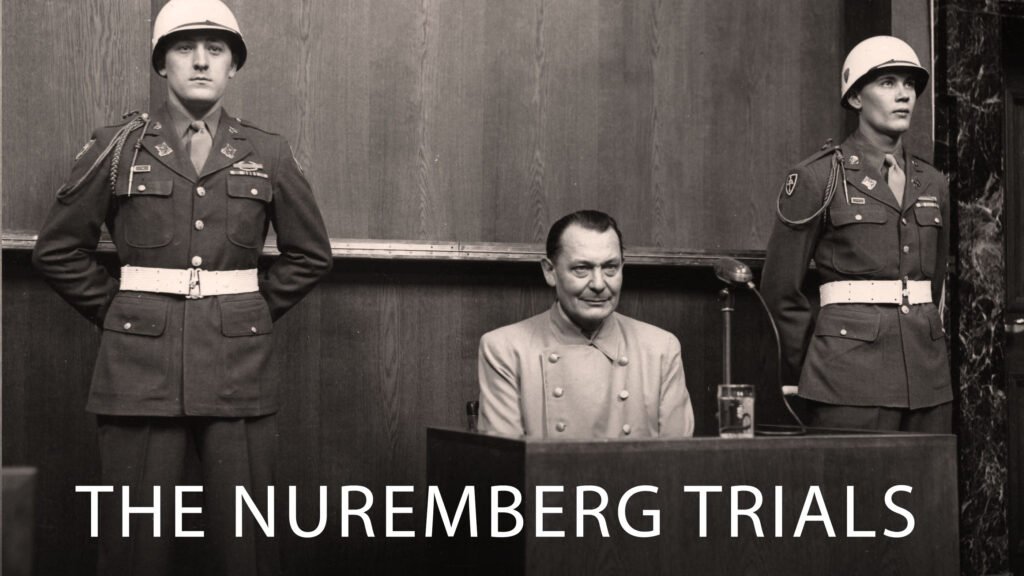
First and foremost, the fear of prosecution loomed large. The Allies had long signaled their intent to hold Nazis accountable. The Moscow Declaration of November 1, 1943, issued by the United States, United Kingdom, and Soviet Union, explicitly stated that those responsible for atrocities would be “brought back to the scene of their crimes and judged on the spot by the peoples whom they have outraged.” This was no idle threat. By war’s end, Allied forces captured vast archives of Nazi documents, including orders for mass executions and deportations, providing irrefutable evidence of crimes. The Nuremberg trials, starting in 1945, targeted top leaders like Hermann Göring and Rudolf Hess, but subsequent proceedings under Control Council Law No. 10 extended to thousands more, including doctors, judges, and industrialists involved in the Holocaust and other war crimes.
For high-ranking officials, the stakes were existential. Figures like Adolf Eichmann, architect of the Final Solution, knew that capture meant trial and likely execution. Eichmann’s own testimony during his 1961 trial in Israel revealed his awareness of the Allies’ pursuit: he fled using ratlines—clandestine escape routes—because he feared being “chased to the ends of the earth.” Similarly, Josef Mengele, infamous for human experiments at Auschwitz, evaded capture by assuming false identities, driven by warrants issued as early as 1944. Even lower-level supporters, such as concentration camp guards or local party officials, faced denazification questionnaires and potential internment. In the American zone alone, over 3.5 million Germans were screened, with thousands classified as “major offenders” or “offenders,” leading to fines, property confiscation, or imprisonment.
Beyond legal fears, social shame played a pivotal role. The exposure of Nazi atrocities through newsreels, photographs, and trials fostered a collective revulsion. In Germany, Allied forces compelled civilians to tour liberated camps like Dachau and Buchenwald, confronting them with emaciated survivors and mass graves. Posters proclaiming “These Atrocities: Your Fault!” were plastered across cities, aiming to instill guilt. For former supporters, this meant ostracism from communities once aligned with the regime. Many, like former SS members, removed tattoos or burned uniforms to erase traces of affiliation. Historian Mary Fulbrook notes that only 6,656 of 140,000 investigated between 1946 and 2005 were convicted, but the stigma persisted, driving many into seclusion.
Revenge was another catalyst. In liberated territories, survivors and resistance fighters sought justice outside courts. In Eastern Europe, Soviet forces and local partisans executed suspected collaborators on sight. In France and Italy, “wild purges” claimed thousands of lives. Even in Germany, displaced persons—former forced laborers—attacked ex-Nazis. This atmosphere of vigilante justice prompted flight; as one U.S. intelligence report noted, “thousands of Nazi officers… began to flee Germany and search for safety across the Atlantic.”
Ideological disillusionment also factored in. Some supporters, confronting the regime’s defeat, internalized shame. Diaries from the era reveal internal conflicts; one former party member wrote of “avowals of shame” upon learning the full extent of crimes. Yet denial was common, with many viewing themselves as victims of Allied bombing or Soviet occupation, further isolating them from society.
Historically, these fears were justified. Of the estimated 200,000 perpetrators, few faced justice, but those who did—like the 12 sentenced to death at Nuremberg—served as warnings. Evidences from declassified CIA files and memoirs, such as those of Simon Wiesenthal, confirm that networks like ODESSA (Organisation der ehemaligen SS-Angehörigen, meaning: Organization of Former SS Members) facilitated escapes precisely because of these threats. In sum, hiding was a rational response to a world turned against them, blending survival with the psychological burden of complicity.
How They Hid: Methods and Destinations
The methods by which Hitler supporters evaded capture were as varied as their roles in the regime, but they shared common themes: forgery, networks, and isolation. Post-war chaos—displaced populations, destroyed records, and overwhelmed Allies—provided cover. This section details these strategies, supported by historical evidences from intelligence reports, biographies, and archival documents.

Changing identities was the cornerstone. Many adopted aliases, altered appearances, and fabricated backstories. Eichmann, for instance, posed as “Otto Eckmann,” a Waffen-SS lieutenant, before becoming “Ricardo Klement” in Argentina. Mengele used names like “Fritz Hollmann” and “Wolfgang Gerhard,” working menial jobs to blend in. SS tattoos were surgically removed or scarred over, as noted in U.S. Army reports. Forged papers were crucial; the International Red Cross issued thousands of passports to refugees, unwittingly aiding Nazis.
Ratlines—escape routes organized by sympathetic networks—facilitated international flight. The term “ratlines” refers to clandestine paths from Germany through Italy to South America, often with Vatican assistance via Bishop Alois Hudal. ODESSA, though debated as a formal organization, represented informal networks helping fugitives. Argentina under Juan Perón welcomed hundreds, granting citizenship and jobs. Eichmann arrived in 1950 via Genoa, settling in Buenos Aires. Mengele followed in 1949, living in Paraguay and Brazil until his 1979 death. Other destinations included Syria, Egypt, and Spain, where Franco’s regime offered sanctuary.
In Germany, many hid in plain sight or isolation. Rural areas like the Bavarian Alps provided refuge; some lived as farmers or laborers, avoiding urban scrutiny. Erich Priebke, convicted for the Ardeatine massacre, fled to Argentina but lived openly until extradited in 1995. Isolation was key: fugitives severed ties, living solitary lives to minimize detection. Mengele’s later years in Brazil were marked by paranoia and health issues, far from his family.
U.S. intelligence aided some, like Reinhard Gehlen, who headed a spy network against the Soviets. Operation Paperclip recruited scientists like Wernher von Braun, overlooking their Nazi pasts. Evidences include declassified OSS files showing Vatican involvement and Argentine immigration records confirming Nazi arrivals. Simon Wiesenthal’s archives detail hunts for fugitives, revealing how isolation prolonged evasion.
These methods allowed thousands to escape justice, as noted by historian Allan Ryan: up to 10,000 war criminals immigrated to the U.S. alone. Their lives in hiding were often bleak, marked by fear and regret, underscoring the human toll of loyalty to a fallen regime.
Nazi Atrocities: What Shamed the Nazis Post-War
The atrocities committed by Hitler and the Nazis, exposed in harrowing detail after 1945, became a source of enduring shame for the regime and its supporters. These crimes, meticulously documented and historically accepted, targeted Jews primarily but extended to Roma, disabled individuals, and others deemed “inferior.” This section examines these horrors, drawing on evidences from trials, archives, and scholarly works.
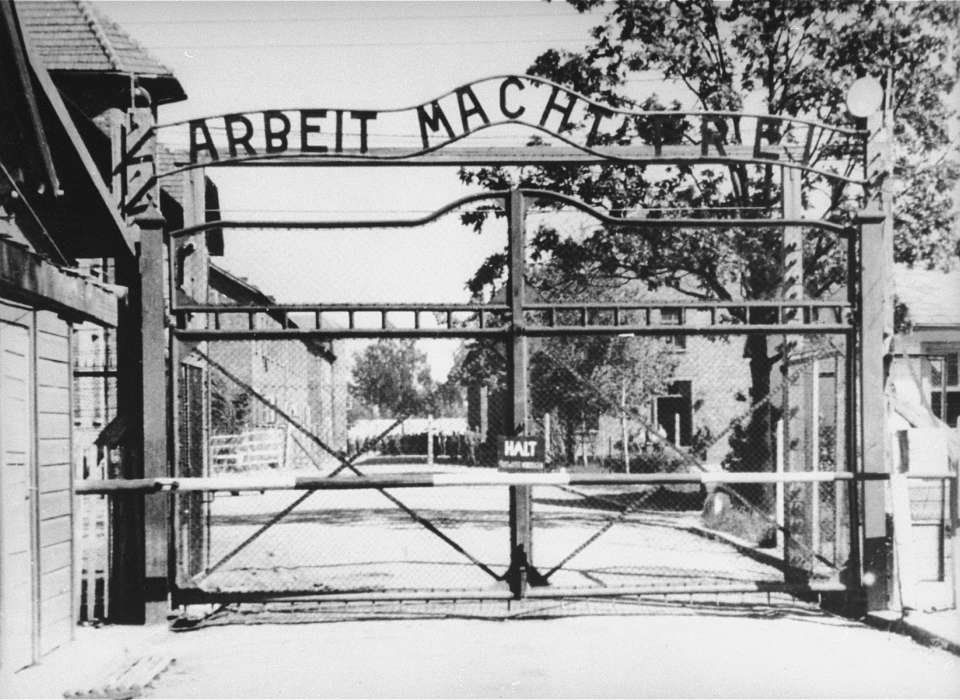
The Holocaust Against Jews
The genocide of European Jews, known as the Holocaust or Shoah, claimed six million lives through a systematic campaign of dehumanization, ghettoization, and extermination. Rooted in Nazi antisemitism, it began with the 1935 Nuremberg Laws stripping Jews of citizenship and rights. Kristallnacht in 1938 saw widespread violence: 91 Jews killed, 30,000 arrested, and synagogues burned.
With World War II, atrocities escalated. In occupied Poland, Jews were confined to ghettos like Warsaw, where 400,000 endured starvation and disease. The 1941 invasion of the Soviet Union unleashed Einsatzgruppen mobile killing units, shooting 1.3-2 million Jews in pits like Babi Yar (33,771 killed in two days). The Wannsee Conference in January 1942 formalized the “Final Solution,” coordinating deportations to death camps.
Extermination camps—Auschwitz, Treblinka, Belzec, Sobibor, Chelmno—used gas chambers for mass murder. At Auschwitz, 1.1 million perished, mostly Jews, via Zyklon B. Operation Reinhard killed 1.97 million in 1942-1943. Death marches in 1944-1945 claimed 250,000 more lives.
Evidences include Nazi records (e.g., Höfle Telegram tallying 1.27 million deaths in 1942), survivor testimonies (e.g., Anne Frank’s diary), and archaeological digs at camps. Historians like Raul Hilberg confirm the bureaucratic efficiency.
Persecution of Roma
Roma, labeled “asocial” and racially inferior, suffered the Porajmos, with 200,000-500,000 killed. They faced sterilization (under the 1933 Law for the Prevention of Hereditarily Diseased Offspring) and deportation to camps like Auschwitz, where 23,000 died. Mass shootings occurred in occupied territories; in Serbia, nearly all Roma were exterminated.
Evidences from Nuremberg documents and USHMM archives show Roma as a targeted group, with policies mirroring but distinct from Jewish persecution.
Atrocities Against Disabled Individuals
The T4 program euthanized 70,273 disabled Germans from 1939-1941 via gas chambers, a precursor to Holocaust methods. Decentralized killings continued, totaling 200,000-250,000. Children were starved or injected; adults gassed at centers like Hadamar.
Bishop Clemens von Galen’s 1941 sermon halted centralized gassing, but killings persisted. Evidences include T4 records and hospital logs.
Atrocities Against Others
Soviet POWs: 3.3 million died from starvation and executions. Poles: 1.8-1.9 million civilians killed, including intelligentsia in Intelligenzaktion. Homosexuals: 5,000-15,000 imprisoned, many died in camps. Jehovah’s Witnesses, communists, and others faced similar fates.
These crimes shamed Nazis post-war through trials and media, fostering guilt and denazification.
The Shame and Denazification Process
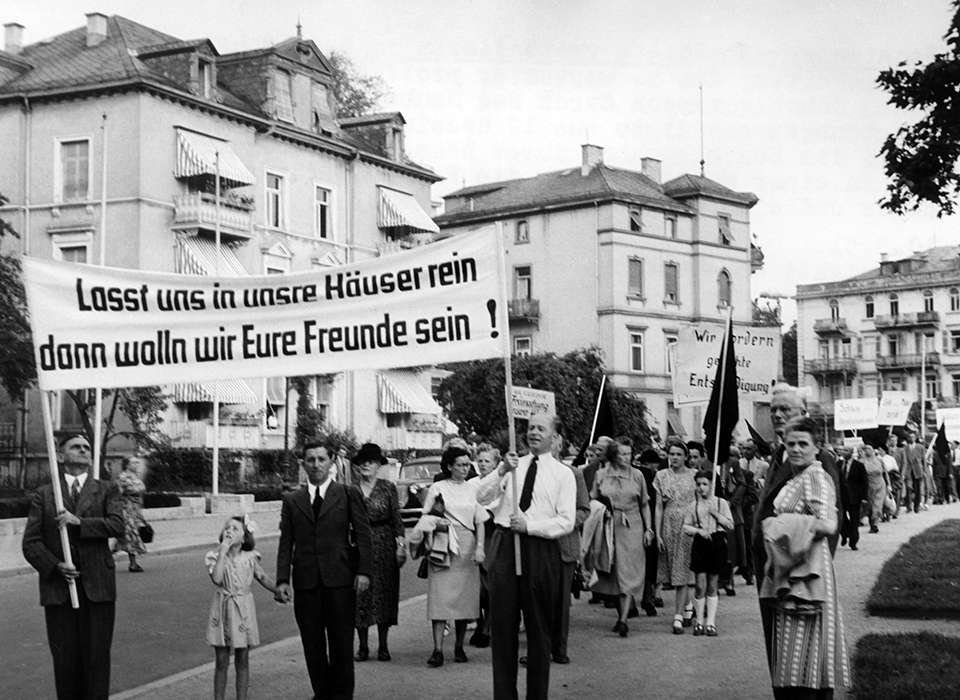
The end of World War II in 1945 not only signified the defeat of Nazi Germany but also ushered in an era of profound reckoning with the regime’s legacy. This reckoning manifested through the denazification process—a systematic effort by the Allied powers to purge Nazi ideology, symbols, and personnel from German society—and the emergence of collective shame among Germans as the full extent of Nazi atrocities became public knowledge. Denazification aimed to dismantle the structures that had enabled Hitler’s rule, while the accompanying shame, often termed “collective guilt” or Kollektivschuld, forced a national introspection that evolved into Vergangenheitsbewältigung (coming to terms with the past). However, both processes were fraught with challenges, inconsistencies, and long-term implications. This section explores the mechanisms of denazification, its outcomes and criticisms, the psychological and social dimensions of shame, and how these elements shaped post-war Germany. Drawing on historical evidences from Allied documents, scholarly analyses, and contemporary accounts, it reveals a complex interplay of justice, pragmatism, and memory that continues to influence Germany today.
The Origins and Implementation of Denazification
Denazification was rooted in the Allies’ determination to prevent a Nazi resurgence and to democratize Germany. Agreed upon at the Potsdam Conference in July 1945, it formed one of the “four Ds”: demilitarization, denazification, decentralization, and democratization. The process sought to remove Nazi Party members, SS officers, and sympathizers from positions of power in government, education, business, and culture. In the American zone, which encompassed southern Germany and parts of Berlin, denazification was particularly rigorous, reflecting U.S. ideals of moral cleansing.
The primary tool was the Fragebogen (questionnaire), a 131-question form that every adult German over 18 had to complete, detailing their affiliations with Nazi organizations. Respondents were categorized into five groups: major offenders, offenders, lesser offenders, followers (Mitläufer), and exonerated. Major offenders faced trials, while followers might receive fines or restrictions. By 1946, over 13 million questionnaires were processed in the Western zones, leading to the dismissal of hundreds of thousands from jobs. In the American zone alone, approximately 3.5 million people were screened, with 900,000 initially classified as tainted by Nazism.
Implementation varied by occupation zone. The Soviets in the East pursued a more ideological approach, integrating denazification with the establishment of socialism, dismissing over 500,000 former Nazis and redistributing property. In contrast, the British and French zones were more lenient, focusing on key sectors like education and judiciary. The Americans compelled Germans to confront atrocities directly: civilians were forced to tour concentration camps like Dachau, where they viewed emaciated bodies and mass graves, and posters proclaimed “These Atrocities: Your Fault!” to instill collective responsibility.
By 1946, control shifted to German tribunals (Spruchkammern), which handled over 3 million cases. This transition aimed to foster self-accountability but often led to leniency, as tribunals were staffed by Germans sympathetic to defendants. Evidences from U.S. military reports highlight the program’s scale: in Bavaria, 374,000 people were removed from positions, but many were reinstated later.
Outcomes: Partial Success and Widespread Criticism
Denazification achieved some successes. It dismantled the Nazi Party infrastructure, banned symbols like the swastika, and removed overt Nazis from power, paving the way for democratic institutions. In West Germany, it facilitated the founding of the Federal Republic in 1949, with a constitution emphasizing human rights. The process also exposed complicity: trials revealed that millions had joined the party for opportunistic reasons, not ideology, challenging myths of universal resistance.
However, outcomes were mixed and often criticized as a failure. By 1951, amnesties under the “131 Law” allowed most lesser offenders to return to civil service, marking the official end in the West. Critics, including U.S. officials, called it a “counterproductive witch hunt,” as it alienated the population needed for reconstruction. Chancellor Konrad Adenauer opposed it, arguing it hindered rearmament and integration into the West amid the Cold War. In the East, it was stricter but served communist purges, leading to accusations of hypocrisy.
Scholarly analyses post-reunification emphasize failure across zones. Historian Mary Fulbrook argues it created silence rather than reflection, hindering memory. The Fragebogen was ridiculed in literature, like Ernst von Salomon’s 1951 novel, as bureaucratic absurdity fostering resentment. Outcomes included economic disruption: dismissing teachers and bureaucrats slowed recovery, and many Nazis retained influence—e.g., in judiciary, where 80% of judges had Nazi ties by the 1950s. Comparisons to de-Ba’athification in Iraq highlight lessons: mass purges bred resentment and instability.
Evidences from declassified U.S. State Department documents show expedited amnesties by 1946, prioritizing anti-communism over thorough cleansing. Theologians like Karl Barth critiqued it for missing opportunities for genuine repentance. Ultimately, denazification was incomplete, with only a fraction of 8.5 million party members prosecuted, fostering a “restoration” narrative in West Germany.
The Emergence of Collective Shame and Guilt
Parallel to denazification was the cultivation of shame, promoted by Allies to enforce moral accountability. Posters and films depicted camps with captions like “Your Fault!” attributing guilt to all Germans. This Kollektivschuld posited that ordinary citizens were complicit through silence or support, even if not direct perpetrators.
Initial reactions were denial and victimhood: Germans focused on their suffering—bombings, expulsions from the East (affecting 12-14 million), and occupation hardships—over perpetrator roles. Diaries and surveys from 1945-1950s reveal resentment toward Allied “victor’s justice.” Yet, shame permeated: theologian Karl Barth advocated collective guilt, urging Germans to “retire from the stage of history.”
By the 1960s, Vergangenheitsbewältigung emerged, driven by trials like Auschwitz (1963-1965) and student movements questioning parents’ complicity. Chancellor Willy Brandt’s 1970 Warsaw genuflection symbolized national remorse. Reunification in 1990 intensified it, blending East and West narratives. Memorials like Berlin’s Holocaust Memorial (2005) institutionalized memory.
Shame’s psychological toll is evident in literature: Günter Grass’s works explore inherited guilt. Surveys show younger generations feel less personal guilt but maintain responsibility. Critics argue it ossified into a “guilt cult” (Schuldkult), masking grief. Evidences from oral histories reveal intergenerational trauma: children of Nazis felt shame, leading to silence or activism.
Long-Term Impacts on Society and Memory
Denazification and shame transformed Germany. They fostered anti-militarism and EU integration, with Holocaust education mandatory. Yet, incomplete purging allowed Nazi continuity: former officials in government until the 1970s. Shame influenced policies like reparations to Israel and refugee openness, though recent debates question if it’s excessive.
In conclusion, while denazification provided a framework for justice, its flaws and the evolving shame narrative highlight the difficulty of erasing tyranny’s shadow. These processes, documented in Allied archives and German memoirs, underscore the need for ongoing vigilance in confronting historical crimes.
Suggestions for Future and Present Leaders
The Nazi era and the Holocaust provide profound cautionary tales for contemporary and future leaders across political, corporate, military, and societal spheres. These historical events illustrate how unchecked power, ideological extremism, and moral failures can lead to catastrophic outcomes—not only for targeted groups but also for entire nations, global stability, and even the leaders’ own supporters. When leaders engage in dehumanization, erode democratic institutions, or foster division, they risk economic ruin, international isolation, and internal dissent that ultimately undermines their authority and legacy. Supporters, initially buoyed by promises of prosperity or superiority, often face post-regime backlash, as seen in the denazification processes that led to imprisonment, social ostracism, and economic hardship for millions of Germans. Drawing from historically documented lessons, such as those analyzed by scholars like Yehuda Bauer and institutions like the United States Holocaust Memorial Museum (USHMM), the following suggestions are presented point-wise. Each includes explanations grounded in Nazi history, evidenced impacts on countries and humanity, and why such actions harm supporters. These are derived from analyses of the Holocaust’s causes and consequences, emphasizing prevention through ethical governance.
1. Avoid Dehumanization and Scapegoating of Groups
Leaders must refrain from portraying any ethnic, religious, political, or social group as inherently inferior, threatening, or subhuman, as this lays the groundwork for discrimination and violence. In Nazi Germany, Hitler and propagandists like Joseph Goebbels systematically dehumanized Jews through rhetoric calling them “vermin” or “parasites,” which justified the Nuremberg Laws of 1935 stripping them of citizenship and rights. This escalated to the Holocaust, where six million Jews were murdered in extermination camps like Auschwitz. For the country, such policies divert resources from productive endeavors to repression, leading to economic inefficiency—Germany’s war economy collapsed under the strain of genocide and global opposition. Humanity suffers through the erosion of universal rights, fostering a culture where atrocities become normalized, as seen in the extension of persecution to Roma, disabled individuals, and others, totaling 11-17 million deaths. Supporters are harmed when regimes fall; many Nazi followers, including ordinary citizens who internalized this hatred, faced trials, loss of property, and lifelong stigma during denazification, isolating them socially and economically. Instead, leaders should promote inclusive policies, drawing from post-war examples like the Universal Declaration of Human Rights (1948), which was partly a response to Nazi crimes. By fostering empathy and diversity, leaders can build resilient societies that avoid the pitfalls of division.
2. Strengthen Democratic Institutions and the Rule of Law
Leaders should actively protect independent judiciary, free press, and electoral systems rather than consolidating power through emergency decrees or manipulation. The Nazis exploited the Weimar Republic’s weaknesses; after the Reichstag Fire in 1933, Hitler used the Enabling Act to suspend civil liberties and rule by decree, dismantling democracy within months. This fragility allowed the regime to enact laws enabling euthanasia programs like T4, killing 200,000-250,000 disabled people, and later the Final Solution. For nations, eroding institutions leads to corruption and instability—Germany’s one-party state resulted in wartime defeats and partition post-1945. Humanity is endangered when unchecked power enables mass atrocities, as evidenced by the Nuremberg Trials’ establishment of “crimes against humanity” to hold leaders accountable. Supporters suffer backlash; many mid-level Nazis, promised stability, ended up as refugees or in poverty amid Germany’s ruins, with denazification amnesties failing to erase their complicity. Modern leaders can learn from this by supporting transparent governance, as in the European Union’s emphasis on rule of law post-Holocaust. Regular audits, anti-corruption measures, and civic education can prevent authoritarian slides.
3. Reject State-Sanctioned Incitement and Propaganda
Avoid using state media or platforms to spread hatred, misinformation, or calls to violence against minorities. Nazi propaganda, via films like “The Eternal Jew” and newspapers like Der Stürmer, incited antisemitism, culminating in events like Kristallnacht (1938), where 91 Jews were killed and 30,000 arrested. This “responsibility to prevent” was ignored, leading to genocide. Countries face isolation and conflict—Germany’s aggressive rhetoric provoked World War II, costing 70-85 million lives globally. For humanity, it normalizes hate, as seen in the bystander effect where ordinary Germans remained silent amid rising violence. Supporters, indoctrinated through youth groups like Hitler Youth, later grappled with guilt and reintegration challenges, many hiding identities post-war. Leaders today should enforce hate speech laws and promote media literacy, inspired by UNESCO’s Holocaust education guidelines, to counter disinformation. Encouraging diverse voices in media prevents echo chambers that fueled Nazi conformity.
4. Combat Indifference and Encourage Moral Courage
Leaders must foster a culture where bystanders are empowered to act against injustice, rather than rewarding silence or complicity. During the Holocaust, indifference allowed atrocities; as Elie Wiesel noted, “The opposite of love is not hate, it’s indifference.” Bystanders in occupied Europe often failed to intervene, enabling deportations to camps where millions perished. For countries, this leads to moral decay and lost innovation—Germany expelled Jewish scientists like Einstein, weakening its intellectual base. Humanity loses when empathy erodes, perpetuating cycles of violence seen in modern genocides like Rwanda. Supporters pay dearly; post-war, many former Nazis faced vigilante justice or isolation, regretting their passivity. To counter this, leaders should implement whistleblower protections and ethics training, as in programs like Facing History and Ourselves, which teach the power of individual choices. Recognizing rescuers like Oskar Schindler as models can inspire proactive citizenship.
5. Prioritize Ethical Education and Historical Awareness
Integrate Holocaust education and ethical training into curricula and professional development to prevent repetition of past errors. Nazis reformed education to indoctrinate youth, removing critical thinking and promoting racial “science,” which brainwashed generations into supporting genocide. This de-intellectualization led to a society complicit in horrors like Einsatzgruppen mass shootings. Nations suffer long-term intellectual stagnation—post-war Germany rebuilt through re-education efforts. For humanity, ignorance breeds prejudice; UNESCO stresses Holocaust education to address antisemitism and racism today. Supporters, often young recruits, faced deprogramming and shame, many living in denial or isolation. Leaders should mandate comprehensive history programs, as in USHMM’s lessons on propaganda and roles in society, to build informed, ethical populations. This prevents the “we and they” thinking that fueled Nazi divisions.
6. Promote International Cooperation and Early Intervention
Avoid isolationism; engage in global alliances to prevent atrocities through diplomacy and intervention. U.S. leaders like Roosevelt faced constraints but inaction allowed the Holocaust to unfold, as detailed in Ken Burns’ documentary—opportunities for refugee aid were missed due to xenophobia. Germany’s aggression went unchecked until WWII, devastating Europe. For humanity, delayed responses enable genocides, as in the failure to bomb Auschwitz rails. Supporters endure war’s costs; Nazi loyalists saw their families destroyed in bombings and invasions. Leaders should support bodies like the UN’s Responsibility to Protect doctrine, born from Holocaust lessons, to intervene early in crises. Multilateralism builds peace, benefiting all.
7. Ensure Professional Ethics in Key Sectors
In fields like medicine, law enforcement, and business, enforce codes preventing complicity in abuses. Nazi doctors led euthanasia and experiments, perverting ethics for ideology. Police enforced deportations, as explored in ethical leadership programs. Corporations like IG Farben profited from slave labor. Countries face reputational damage and sanctions—post-war trials prosecuted industrialists. Humanity is scarred by trust erosion in institutions. Supporters in these roles faced convictions, like at Nuremberg, leading to professional bans and isolation. Leaders must integrate Holocaust-derived ethics curricula, as in medical oaths emphasizing “do no harm.” This safeguards integrity.
8. Resist Obedience to Unethical Authority and Incrementalism
Challenge blind loyalty; question orders that violate morals, as small steps led to Holocaust horrors— from boycotts to ghettos to gas chambers. Behavioral ethics show how obedience (Milgram-inspired) enabled ordinary people to participate. Nations crumble under tyrannical hierarchies—Hitler’s “working toward the Führer” created chaos. Humanity risks normalized evil through gradual escalation. Supporters, following orders, later claimed “just following,” but faced justice and regret. Promote critical thinking and accountability, as in modern ethics training.
9. Address Economic and Social Grievances Without Extremism
Tackle inequalities through inclusive policies, not by blaming minorities. Nazis exploited Versailles Treaty resentments and Depression woes to rise, promising jobs via militarism. This led to war economy failures. Countries risk cycles of violence; humanity sees migration crises from instability. Supporters, drawn by promises, suffered defeat’s poverty. Invest in social welfare and dialogue.
10. Prevent Holocaust Denial and Preserve Memory
Actively combat revisionism to honor victims and educate. Denial perpetuates hate, as Cotler warns. Nations denying history repeat it; humanity needs truth for healing. Supporters denying complicity prolong isolation. Support memorials and laws against denial.
By heeding these suggestions, leaders can avert the devastation that befell Nazi Germany, ensuring prosperity for their nations, dignity for humanity, and security for their supporters. The Holocaust’s legacy demands vigilant, ethical leadership to make “Never Again” a reality.
Leaders must heed Nazi lessons: avoid dehumanization, as it enabled atrocities. Promote ethical education and human rights to prevent complicity. Corporate leaders should reject involvement in abuses. Foster democracy and accountability to safeguard humanity.
Conclusion: Echoes of the Past and Paths to a Resilient Future
The narrative of “Living in Shadows: The Post-War Lives of Hitler Supporters and Lessons from Nazi Atrocities” culminates in a profound reflection on the enduring human cost of tyranny, the fragility of justice in the aftermath of catastrophe, and the imperative for vigilance in safeguarding humanity. Adolf Hitler’s death in 1945 did not extinguish the flames of his ideology; instead, it scattered its embers across the globe, forcing supporters into lives of concealment and isolation while exposing the world to the unvarnished horrors of the Third Reich. As Allied forces liberated concentration camps and unearthed mass graves, the scale of Nazi crimes—meticulously planned and executed—transformed global perceptions of evil, shaming not only the perpetrators but also those who enabled them through silence or complicity. This conclusion synthesizes the article’s themes, examining the long-term societal impacts, the evolution of memory and accountability, and actionable imperatives for preventing future atrocities. By drawing on historically verified evidences, it underscores that the shadows of the past must illuminate the present to forge a more equitable world.
Societal and Psychological Impacts on Post-War Germany and Beyond
The immediate post-war era was a crucible of transformation for Germany, where the hidden lives of Hitler supporters symbolized a broader societal fracture. Millions of ordinary Germans, who had joined the Nazi Party for economic security or social conformity, grappled with the revelation of atrocities that shamed their nation. Denazification efforts, though imperfect, compelled a reckoning: over 3.5 million individuals in the American zone alone were screened, leading to dismissals, fines, and internment that disrupted lives and economies. Yet, as Allied priorities shifted toward Cold War containment, amnesties by 1951 allowed many to reintegrate, fostering a “silence of the perpetrators” that historian Konrad Jarausch describes as a mechanism for national recovery but at the cost of delayed justice.
This silence extended to the fugitives themselves, whose isolation was not merely tactical but profoundly psychological. High-profile escapees like Adolf Eichmann and Josef Mengele, who fled via ratlines to South America, lived in perpetual paranoia, severed from families and former comrades. Eichmann’s capture in 1960 and trial in Jerusalem revealed a man diminished by years of hiding, his defense of “just following orders” exposing the banality of evil as articulated by Hannah Arendt. Mengele’s lonely death in Brazil in 1979, confirmed by DNA evidence, epitomized the hollow existence of those who evaded accountability—haunted by crimes that posthumously condemned them. For lower-level supporters, remaining in Germany meant navigating a society where former neighbors shunned them, leading to social withdrawal and mental health struggles documented in post-war psychiatric studies.
Globally, the shame of Nazi atrocities reshaped international norms. The Holocaust’s exposure through Nuremberg trials and survivor testimonies prompted the 1948 Universal Declaration of Human Rights and the 1948 Genocide Convention, establishing legal frameworks to prevent such horrors. Yet, the incomplete pursuit of justice—only a fraction of 200,000 estimated perpetrators were prosecuted—highlighted systemic failures. In Eastern Europe, Soviet-led trials executed thousands, but often blended justice with political purges, while in the West, Cold War alliances shielded figures like Reinhard Gehlen, whose Nazi intelligence network was repurposed against communism. These compromises underscore how geopolitical expediency can undermine moral imperatives, allowing shadows of complicity to persist.
The victims’ perspectives amplify these impacts. Survivors like Elie Wiesel and Primo Levi articulated the indelible trauma of dehumanization, where the Nazis’ systematic extermination of six million Jews, alongside millions of Roma, disabled individuals, Poles, and others, eroded faith in humanity. Post-war displacement affected 11 million people, with many Holocaust survivors facing antisemitism in their homelands, prompting mass emigration to Israel or the United States. The shame inflicted on Nazis posthumously empowered these narratives, fostering Holocaust education that today reaches millions through museums like the United States Holocaust Memorial Museum (USHMM).
Evolution of Memory: From Denial to Commemoration
Over decades, the initial denial in Germany evolved into Vergangenheitsbewältigung—a collective coming to terms with the past. The 1960s Auschwitz trials in Frankfurt, prosecuting 22 former guards, forced public confrontation with atrocities, as did Willy Brandt’s 1970 Warsaw genuflection before a memorial to Jewish ghetto fighters. Reunification in 1990 merged East and West German narratives, leading to memorials like Berlin’s Memorial to the Murdered Jews of Europe (2005), which symbolizes the void left by genocide. These efforts, supported by archival evidences from Yad Vashem and the Wiener Holocaust Library, have made Holocaust denial a criminal offense in many countries, countering revisionism.
Yet, memory’s evolution is uneven. In South America, where thousands of Nazis settled—Argentina alone harbored up to 2,000—communities like Bariloche became enclaves of unrepentant ideology, as detailed in declassified Argentine files. The 1995 extradition of Erich Priebke from Argentina for the Ardeatine Caves massacre illustrates belated justice, but many died unpunished, their lives in shadows a testament to international lapses. Globally, the rise of neo-Nazism in the 21st century, fueled by online propaganda, echoes the dangers of unaddressed shame, prompting renewed calls for education as a bulwark.
Imperatives for the Future: Building Ethical Resilience
The lessons from Nazi supporters’ hidden lives and the regime’s atrocities are unequivocal: leaders must prioritize humanity over ideology to avert national and global ruin. As outlined in the suggestions section, avoiding dehumanization—evident in Nazi propaganda that labeled Jews as “subhuman”—prevents the slippery slope to genocide. Strengthening democratic institutions counters the Enabling Act of 1933 that dismantled Weimar democracy, while rejecting incitement mirrors the role of media in Kristallnacht’s pogroms.
For present leaders, these imperatives are urgent amid rising authoritarianism and polarization. Ethical education, inspired by UNESCO’s Holocaust programs, equips societies to recognize warning signs like scapegoating minorities. International cooperation, through bodies like the International Criminal Court (ICC), ensures accountability, addressing the Nuremberg trials’ legacy of defining “crimes against humanity.” Leaders should foster moral courage, countering the bystander effect that enabled Nazi crimes, and address grievances without extremism, recalling how economic despair propelled Hitler’s rise.
Ultimately, the supporters’ isolation warns that blind loyalty leads to personal downfall: many Nazis, promised glory, ended in obscurity or on the gallows. By heeding these lessons—grounded in evidences from Nuremberg transcripts, USHMM archives, and declassified intelligence—humanity can transform shadows into beacons of justice. The Holocaust’s mantra, “Never Again,” demands active commitment: through remembrance, education, and ethical governance, we honor the victims and secure a future where no one lives in the shadows of tyranny.
References
- Blatman, Daniel. The Death Marches: The Final Phase of Nazi Genocide. Harvard University Press, 2011. (Provides detailed analysis of the death marches as the concluding phase of Nazi atrocities, based on survivor testimonies and archival records.)
- Cesarani, David. Eichmann: His Life and Crimes. Vintage, 2005. (Comprehensive biography of Adolf Eichmann, including his post-war hiding and trial, drawn from trial transcripts and declassified documents.)
- Fulbrook, Mary. Reckonings: Legacies of Nazi Persecution and the Quest for Justice. Oxford University Press, 2018. (Examines denazification processes and the pursuit of justice for Nazi crimes, using German and Allied archives.)
- Hilberg, Raul. The Destruction of the European Jews. Yale University Press, 2003 (revised edition). (Seminal work on the Holocaust’s bureaucratic machinery, supported by Nazi documents and trial evidences.)
- Jarausch, Konrad H. Broken Lives: How Ordinary Germans Experienced the 20th Century. Princeton University Press, 2018. (Explores post-war shame and societal impacts on Germans, based on diaries and oral histories.)
- Levi, Primo. Survival in Auschwitz. Touchstone, 1996. (Firsthand survivor account of Auschwitz, highlighting the psychological toll of Nazi dehumanization.)
- Lichtblau, Eric. The Nazis Next Door: How America Became a Safe Haven for Hitler’s Men. Houghton Mifflin Harcourt, 2014. (Investigative history of Nazi war criminals in the U.S., using declassified CIA and FBI files.)
- Lower, Wendy. Hitler’s Furies: German Women in the Nazi Killing Fields. Houghton Mifflin Harcourt, 2013. (Details women’s roles in atrocities, based on Eastern European archives and trials.)
- National Archives and Records Administration (NARA). Hitler’s Shadow: Nazi War Criminals, U.S. Intelligence, and the Cold War. U.S. Government Printing Office, 2010. (Declassified report on U.S. involvement with Nazi fugitives, including ratlines and protection.)
- National Security Agency (NSA). Eavesdropping on Hell: Historical Guide to Western Communications Intelligence and the Holocaust, 1939-1945. NSA/CSS, 2005. (Guide to intercepted communications revealing Nazi atrocities.)
- Posner, Gerald L., and John Ware. Mengele: The Complete Story. Cooper Square Press, 2000. (Biography of Josef Mengele, including his evasion and life in hiding, based on family interviews and forensic evidence.)
- Steinacher, Gerald. Nazis on the Run: How Hitler’s Henchmen Fled Justice. Oxford University Press, 2011. (Analysis of ratlines and escapes to South America, using Vatican and Red Cross archives.)
- United States Holocaust Memorial Museum (USHMM). Holocaust Encyclopedia. USHMM, ongoing digital resource. (Comprehensive entries on the Holocaust, war crimes, and post-war justice, sourced from survivor testimonies, Nazi records, and trials.)
- Wiener Holocaust Library. War Crime Trials Collection. Wiener Library, London. (Archival holdings on Nuremberg and other trials, including documents on Nazi persecution.)
- Wiesel, Elie. Night. Hill and Wang, 2006 (translated edition). (Memoir of Holocaust experiences, emphasizing moral lessons and the shame of perpetrators.)