

Introduction: Understanding the Connection Between Brains and Beliefs
Have you ever wondered why some people lean toward liberal ideas, like supporting equal rights for everyone or being open to new ways of thinking, while others prefer conservative views, such as sticking to traditional values or strong authority? Politics can feel personal, shaped by our experiences, family, and the world around us. But what if part of it comes from our genes—the tiny bits of DNA that make us who we are? A recent study from 2024 explores this idea, suggesting that smarter people, or those with genes linked to higher intelligence, are more likely to hold liberal beliefs. This doesn’t mean all smart people are liberals or that conservatives aren’t intelligent. It’s more like a gentle push from our biology that interacts with life experiences.

Table of Contents
The study, called “Predicting Political Beliefs with Polygenic Scores for Cognitive Performance and Educational Attainment,” was done by researchers at the University of Minnesota. Led by Tobias Edwards, along with Alexandros Giannelis, Emily A. Willoughby, and James J. Lee, it looks at how intelligence—measured by IQ tests and genetic markers—might cause people to think in more open, tolerant ways. They used a special method to separate genetic effects from things like family upbringing or money, making their findings stronger than older studies.
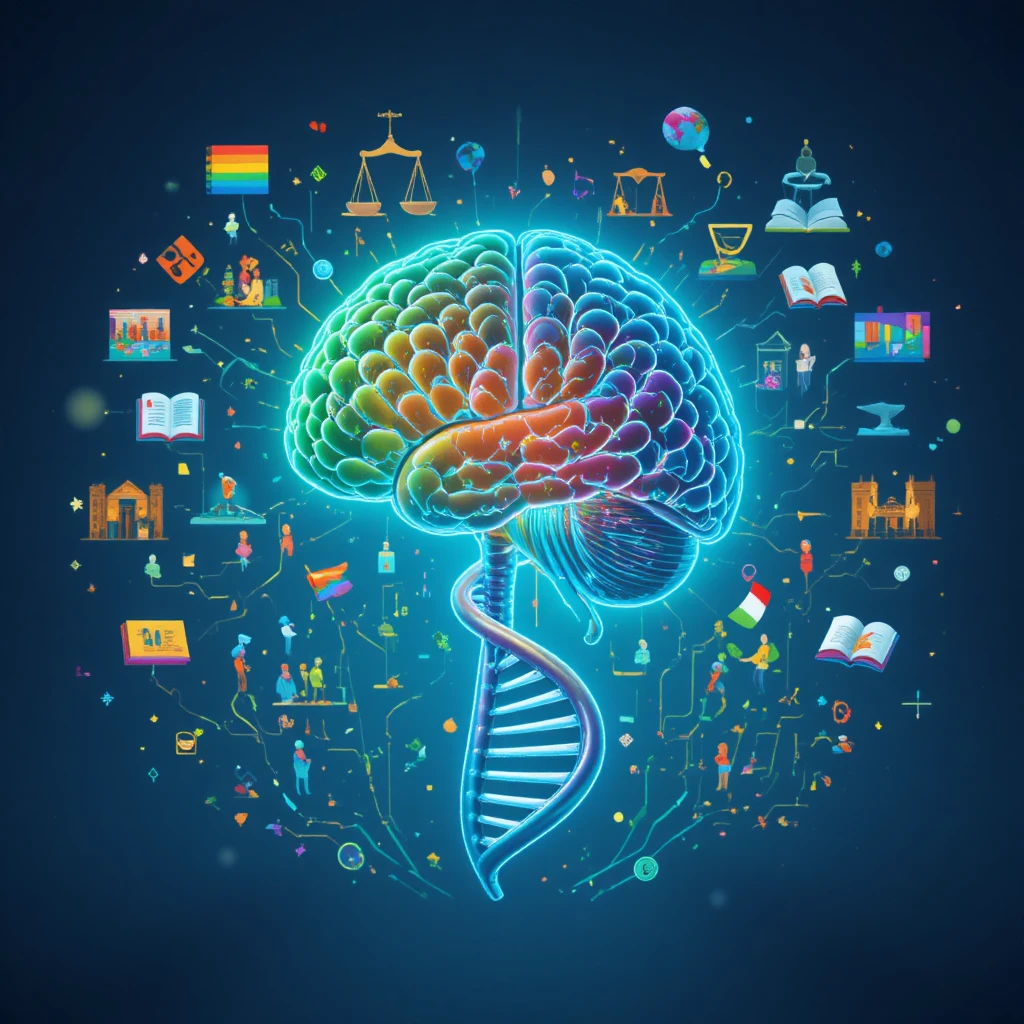
Why does this matter? In a world full of political arguments, understanding why we believe what we do can help us talk better across divides. It might explain why debates get so heated—it’s not just opinions; it’s partly wired into us. But remember, genes aren’t destiny. Environment, choices, and chance play huge roles too. This article will break down the study step by step, using simple words so anyone can follow. We’ll cover what the researchers did, what they found, why it might be true, and what critics say. By the end, you’ll have a clear picture of how our brains and genes might nudge our politics.
Let’s start with the basics. What do we mean by “intelligence” here? Intelligence isn’t just being good at math or reading books. It’s about solving problems, learning new things, and understanding the world. IQ tests measure this by asking questions on patterns, words, and logic. But IQ isn’t perfect—it can miss creativity or emotional smarts. The study also uses “polygenic scores,” which are like a genetic report card. These scores add up tiny gene differences that together hint at how smart someone might be or how far they’ll go in school. Think of genes as recipes for your body. Most traits, like height or risk for diseases, come from many genes working together, not just one. A polygenic score looks at thousands of these gene bits to guess your chances for something, like high intelligence.
Political beliefs? Liberals often support change, equality, and helping the needy through government programs. Conservatives value tradition, personal responsibility, and limited government. The study focuses on “social liberalism,” like being okay with different lifestyles, and low “authoritarianism,” meaning not wanting strict rules or bosses telling everyone what to do. It’s not about voting Democrat or Republican—it’s deeper attitudes.
This topic is touchy because past ideas linking genes to behavior led to bad things, like discrimination. But modern science is careful, focusing on understanding, not judging. As Edwards said, “From our study, we cannot say that the beliefs of high IQ people tell us what is right to believe, but rather only what smart people choose to believe.” Let’s dive in.
Background and Prior Research: A Long History of Linking Smarts to Politics
People have noticed for years that smarter folks tend to think differently about politics. Back in the 1950s, researchers saw that high-IQ people were more open to new ideas and less rigid. But why? Is it because smart people learn more, or is there something inborn?
Meta-analyses—big reviews of many studies—show a small but real link. For example, one review found that higher intelligence correlates with less right-wing authoritarianism (like wanting strong leaders) and less prejudice against groups like immigrants or minorities. The connection is stronger for social issues than money ones, like taxes. Another study said IQ explains about 4-9% of why people differ in views—not huge, but noticeable.
Twin studies are key here. Identical twins share all genes, while fraternal twins share half. If identical twins have more similar politics than fraternal ones, genes play a role. Research shows genes account for about 40% of political differences, environment 60%. But environment includes school, friends, and luck—not just parents.
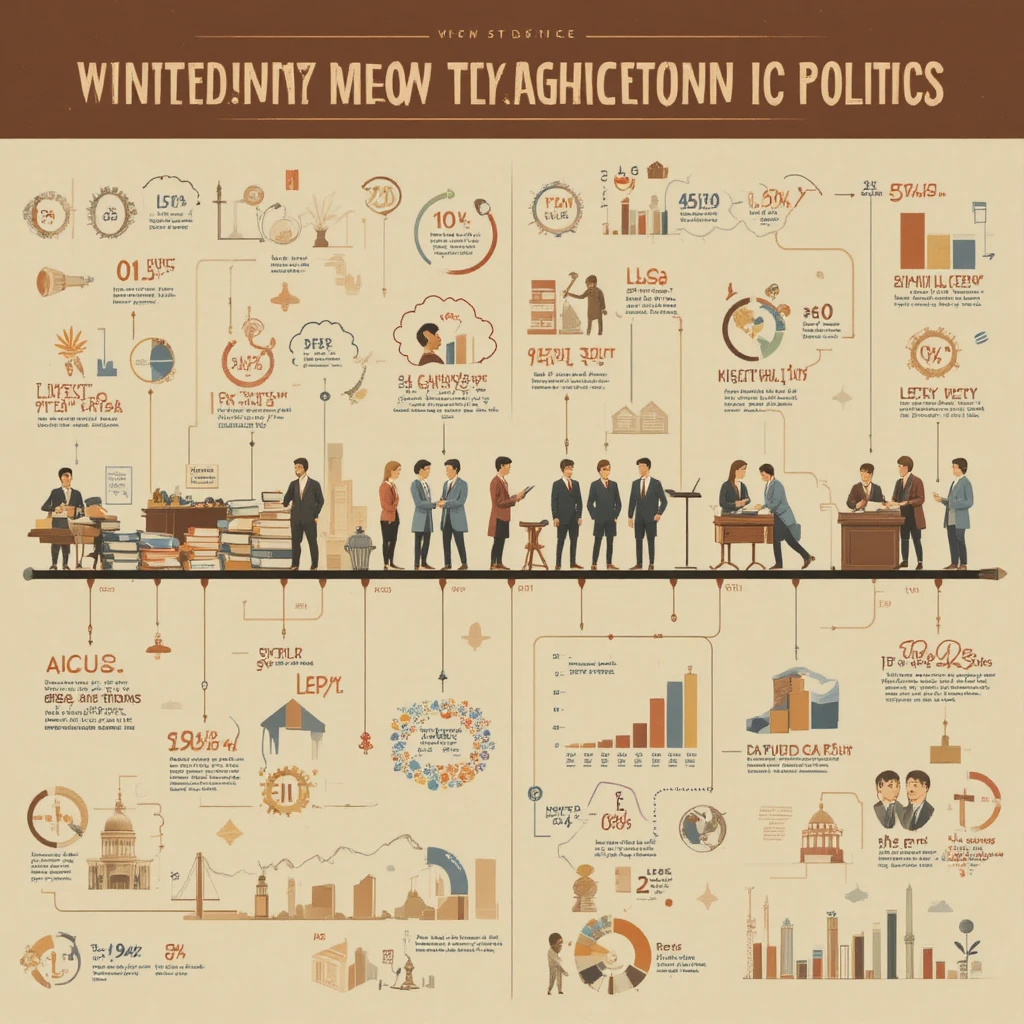
Education ties in too. People with more schooling are often more liberal. A Pew report said 54% of post-grads are mostly liberal, vs. 26% of high school grads. Why? College exposes you to diverse people and ideas, building empathy. But is it college or smarts that come first? The 2024 study uses genes for education to sort this.
Religion links up. Smarter, more educated people are less religious. Brain scans show non-believers use logic more, believers intuition. This might explain why liberals, often less religious, question traditions.
But not all agree. Some say links are weak or biased by culture. In other countries, smart people might lean conservative. And fiscal conservatism—wanting low taxes—doesn’t always link to low IQ.
Past controversies: Eugenics misused IQ to justify inequality. Today’s research avoids that, focusing on individuals, not groups.
This background sets up the 2024 study, using new gene tools for clearer answers.
What Are Polygenic Scores? A Simple Guide to Genetic Predictors
Before methodology, let’s explain polygenic scores simply. Imagine your DNA as a cookbook with millions of recipes. Each recipe has slight variations—snippets called SNPs (single nucleotide polymorphisms). For traits like height, no single SNP makes you tall; hundreds do, each adding a tiny bit.
A polygenic score adds up these SNPs’ effects. Scientists find which SNPs link to a trait by comparing DNA of many people—some with the trait, some without. Each SNP gets a weight: positive if it boosts the trait, negative if it lowers it. Your score? Sum of your SNPs times their weights.
For intelligence, scores predict about 10-15% of IQ differences. Not perfect, but useful for research. For education, they predict years of schooling.
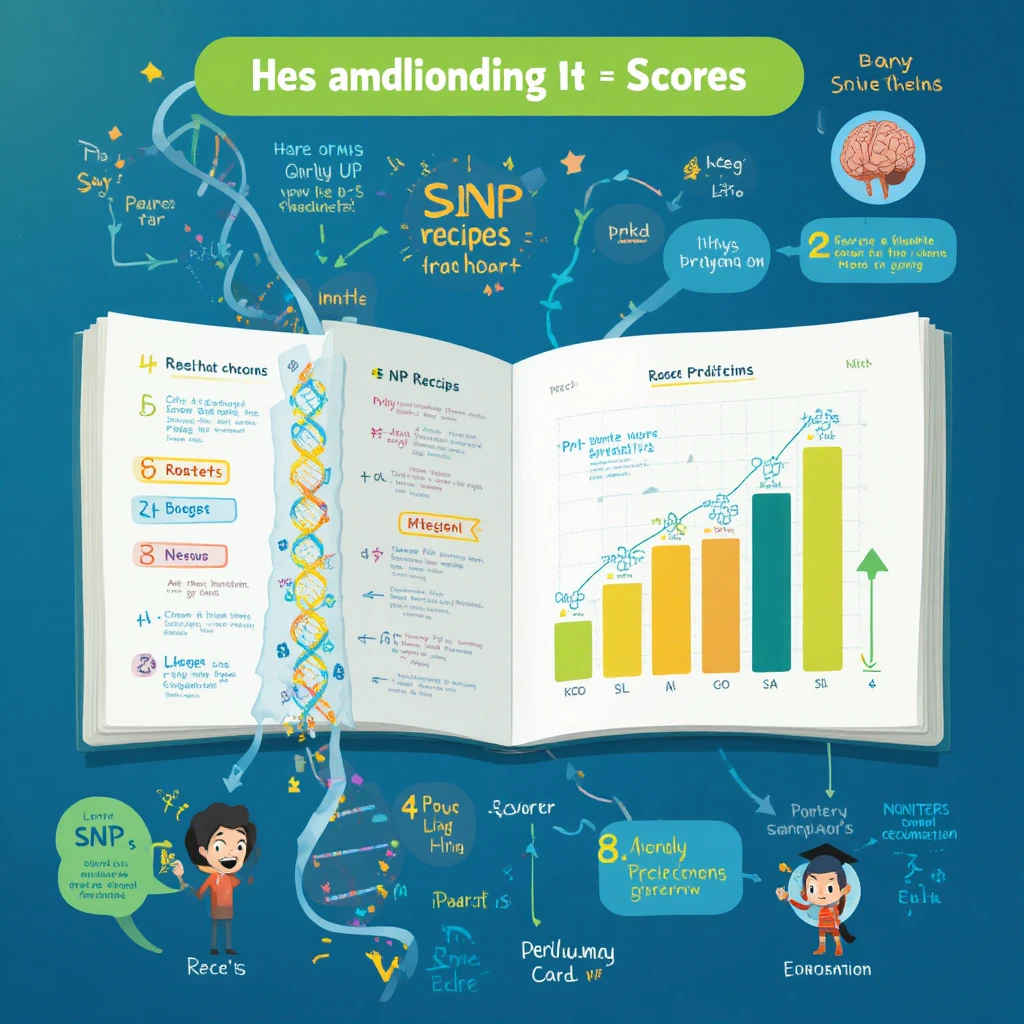
Scores show relative risk: “You’re in the top 10% for smarts genes.” They don’t diagnose; environment matters more.
In the study, these scores help prove cause: If genes for smarts predict liberal views, even in same-family siblings, it’s likely causal.
Methodology: How the Researchers Tested the Idea
The study used a clever setup to avoid mix-ups. They took data from the Sibling Interaction and Behavior Study (SIBS) in Minnesota, following families since the late 1990s. Why siblings? They share homes, parents, and some genes, so differences point to personal factors.
Sample: Over 600 people, including biological kids, adopted ones (some from East Asia), and parents. Average age: 30s for kids, 60s for parents. Adoptions help: Adopted kids don’t share genes with parents, separating nature from nurture.
What they measured:
- Political views: In 2017-2023 surveys, people answered questions on six areas: overall left-right lean, authoritarianism (liking strict rules), egalitarianism (fairness for all), social liberalism (open to gay rights, abortion), fiscal conservatism (low taxes, less welfare), and religiousness. They combined these into a “left-wing” score—higher means more liberal.
- Intelligence: IQ from standard tests like WAIS (adults) or WISC (kids) at start.
- Genes: Polygenic scores for cognitive performance (IQ proxy) and educational attainment (school success). For Europeans, from public databases; for Asians, custom-made.
- Controls: Education years, income—to check if these explain the link.
Analysis: Regressions predict politics from IQ or genes. “Within-family” compares siblings to cancel shared stuff. For genes, “Mendelian randomization” uses random gene inheritance like a natural experiment. They adjusted for multiple tests to avoid false positives.
Power: Strong for IQ, weaker for genes due to small sample.
This design is strong because it rules out many confounds.
Results: What the Data Showed
The findings? Both IQ and genes predicted more left-wing views.
- IQ results: Higher IQ linked to left-wing composite (effect size 0.35—moderate). Within families, it predicted less authoritarianism and more social liberalism, even after education/income controls. Some weakened with corrections, but core held.
- Cognitive genes: Predicted liberalism, especially low authoritarianism. Held within families and after parent gene controls.
- Education genes: Stronger links to liberalism, social openness, low religion/authority. Survived most controls.
Fiscal views? Weak links—smarts don’t much affect money politics.
Graphs showed betas (strengths) with error bars—consistent patterns.
In simple terms: Smarter genes mean more likely to be open-minded, tolerant.
Analysis: Making Sense of the Numbers
Why does this happen? Authors say smarts cause liberalism directly, not just through money or school. Smart people might think complexly, questioning authority.
But education genes were stronger, suggesting traits like curiosity (tied to school success) matter.
Commentaries: Psychology Today links to low religion—smarts favor logic over faith. Reddit debates: Small effects, Minnesota bias? But replicates old findings.
Criticisms: Genes might pleiotropy—affect multiple things. Sample small, mostly white/Asian. Low power for genes. Critics fear determinism, but authors say genes only part.
Broader: Education polarizes—grads more liberal. Science education especially.
Key Findings and Implications: What It Means for Us
Key: Genes for smarts/education cause liberalism, especially social. Not fiscal.
Implications: Bridge divides—understand opponents’ biology. Policy: Boost education to reduce extremes? Ethics: Avoid misuse for discrimination.
Future: Bigger samples, mechanisms like openness.
Genes shape, but choices matter.