

Introduction
Jayachandra (r. 1170–1194 CE), also known as Jayacandra or popularly as Jaichand, was the last prominent ruler of the Gahadavala dynasty, which dominated the middle Gangetic plains in the 11th–12th centuries CE. His kingdom, known as Antarvedi, encompassed key cities like Kannauj (Kanyakubja) and Varanasi (Kashi/Banaras), extending across modern Uttar Pradesh and parts of Bihar. Contemporary inscriptions portray him as a devout Hindu king, generous patron of temples and scholars, and a defender against invasions. Yet, in Indian folklore, “Jaichand” has become synonymous with “traitor,” accused of betraying Prithviraj Chauhan by allying with Muhammad of Ghor.
Table of Contents
This expanded article critically examines the historical and archaeological evidence for Jayachandra’s reign, drawing on over 20 inscriptions from his period, numismatic finds, Persian chronicles, and scholarly analyses. It demonstrates that Jayachandra was a capable sovereign who resisted Ghurid forces until his death in battle. The betrayal narrative, originating in later legendary texts like the Prithviraj Raso, lacks contemporary corroboration and is widely regarded by historians as a myth.
The Gahadavalas rose amid the fragmentation following the Gurjara-Pratihara decline, establishing a prosperous realm defended by measures like the Turuṣkadaṇḍa tax against Turkic raiders.


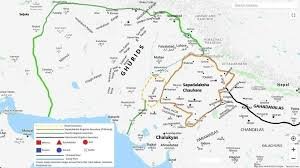
Map illustrating the approximate extent of the Gahadavala kingdom under Govindachandra and Jayachandra (c. 12th century CE), centered on Kannauj and Varanasi.

Another historical map contextualizing the Gahadavala territory in relation to contemporary powers.
The Gahadavala Dynasty: Historical Context and Rise
The dynasty was founded by Chandradeva (r. c. 1089–1103 CE), who established control over Varanasi and Kannauj after defeating local rivals. His successors, Madanapala and Govindachandra (r. c. 1114–1155 CE), expanded the kingdom, repulsing Ghaznavid raids and patronizing learning. Govindachandra’s reign saw over 40 inscriptions, highlighting victories and the Turuṣkadaṇḍa levy for defense against Turks.
Vijayachandra (r. c. 1155–1170 CE) continued this legacy, patronizing poet Sriharsha. Jayachandra ascended the throne on 21 June 1170 CE, as confirmed by the Kamauli copper-plate inscription. He adopted grand titles like Ashvapati Narapati Gajapati Rajatrayadhipati (lord of cavalry, infantry, and elephants) and Vividha-vidya-vichara-vachaspati (patron of diverse learning).
Persian sources, such as Ibn al-Athir, described the Gahadavala king (likely Jayachandra) as one of India’s wealthiest rulers with immense armies.

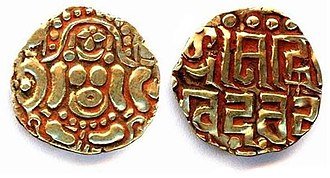
Gold dinar of the Gahadavalas under Govindachandra (continued style under Jayachandra), featuring seated Lakshmi—symbol of prosperity.

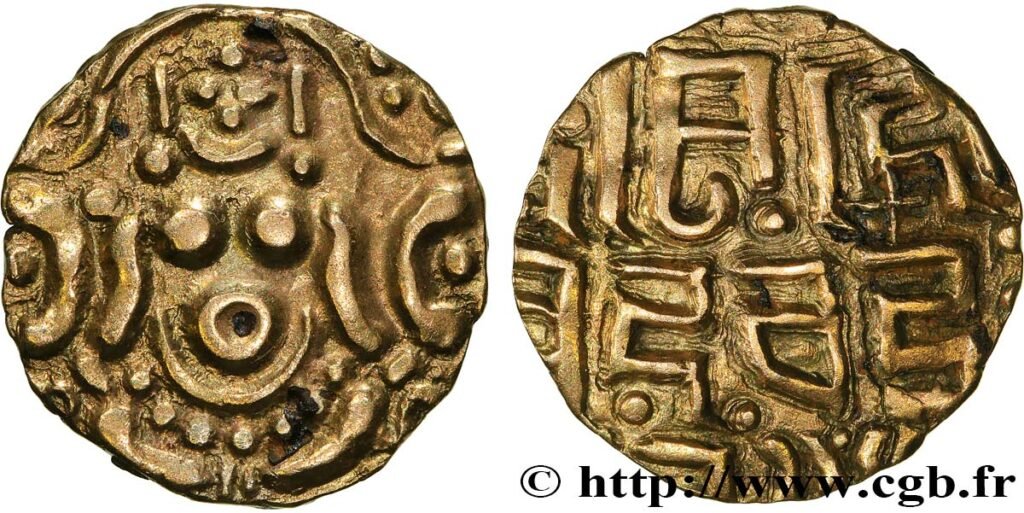
Another Gahadavala gold coin depicting Lakshmi, evidencing the dynasty’s economic strength.
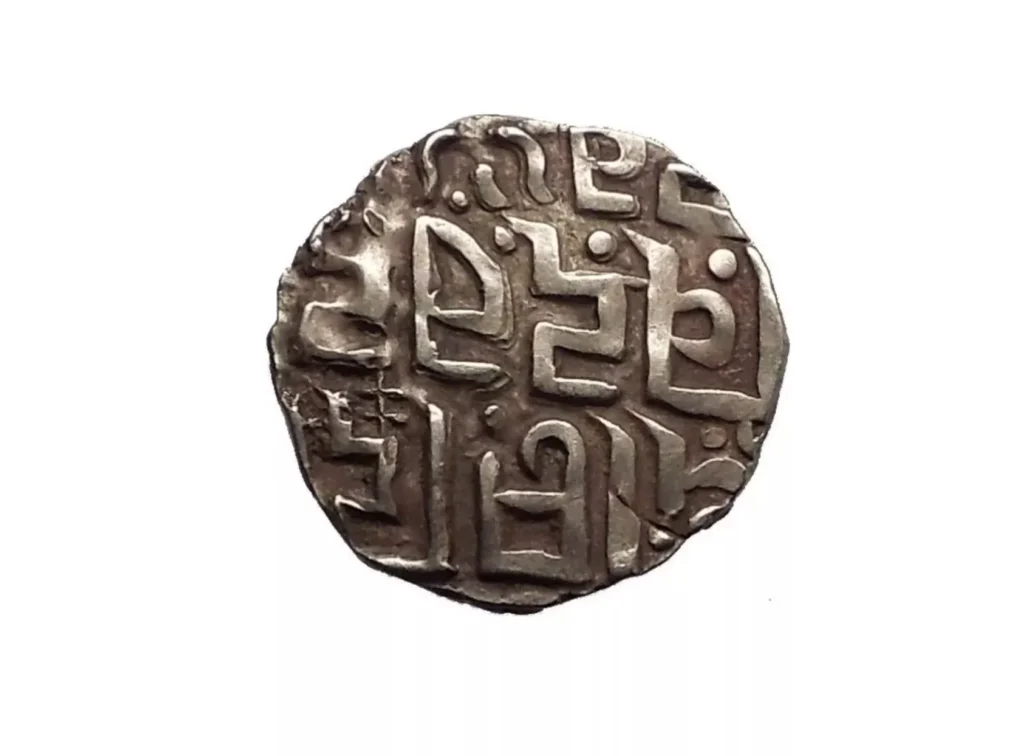
Gold coin of Govindachandra, typical of the series minted during the dynasty’s peak.
Primary Epigraphic Evidence: Inscriptions of Jayachandra
Over 20 inscriptions dated between 1170 and 1189 CE directly attest to Jayachandra’s reign. These copper-plate and stone records, published in Epigraphia Indica and analyzed in works like T.P. Verma’s Inscriptions of the Gahadavalas and Their Times, detail land grants, temple patronage, and administrative acts.
Key inscriptions include:
- Kamauli Copper-Plate (1170 CE): Records his coronation and Vaishnava devotion.
- Bodh Gaya Inscription (c. 1183 CE): Invokes Buddha and Shrimitra, showing Buddhist patronage; Jayachandra adopted a Buddhist preceptor.
- Treta ka Thakur Inscription, Ayodhya (1184 CE, Vikrama Samvat 1241): Praises his construction or patronage of a Vaishnava (Vishnu/Ram) temple.
- Multiple Varanasi-area grants: Donations to Brahmins, Shaiva, and Vaishnava institutions.
These portray Jayachandra as pious (initially Vaishnava, later Shaiva-leaning), tolerant, and orthodox. No inscription mentions rivalry with Prithviraj Chauhan or Ghurid alliances.

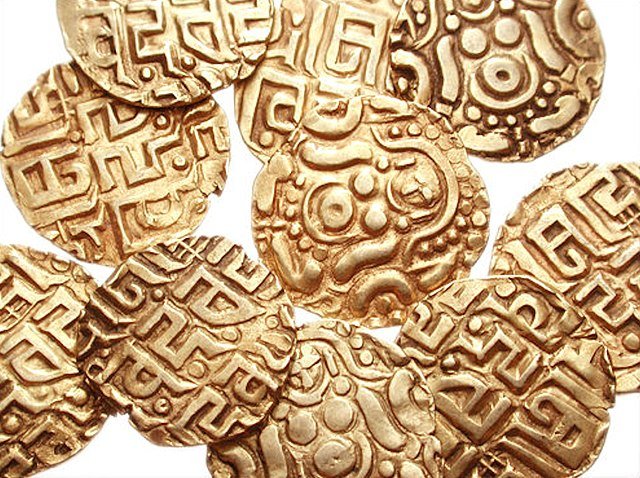
Coinage often accompanying inscriptions, showing continuity in Gahadavala symbolism.

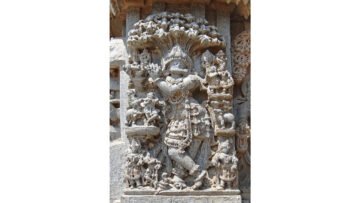
Example of epigraphic style from the period.
Archaeological and Numismatic Evidence
Coins: Hundreds of gold, silver, and copper coins from Govindachandra’s era (continued under Jayachandra) feature seated Lakshmi and Devanagari legends. Nearly 1,000 gold coins of Govindachandra alone have been found, indicating economic prosperity. No direct Jayachandra coins are attributed, but the style persisted.
Temple Sites:
- Ayodhya: The Treta ka Thakur inscription links Jayachandra to Vaishnava temple-building.
- Varanasi: Tradition and inscriptions credit Gahadavalas with major patronage; sites like Kashi Vishwanath complex reflect 12th-century Hindu architecture, though later rebuilt.
- Bodh Gaya: Inscription evidences support for Buddhist institutions.
Archaeological surveys in the Gangetic plains confirm fortified settlements and temple remains from this period.
Military Achievements and the Ghurid Invasion
Jayachandra inherited defenses against Turkic incursions. Persian chronicles describe the Battle of Chandawar (1194 CE):
- Hasan Nizami’s Taj-ul-Maasir: Muhammad of Ghor advanced with 50,000 cavalry; Jayachandra led a large army, was killed by an arrow while on elephant-back, and his forces routed. Ghurids captured 300 elephants and plundered Asni fort and Varanasi temples.
- No mention of prior alliance with Ghori or betrayal of Prithviraj.
Jayachandra’s son Harishchandra briefly asserted sovereignty (1197 CE Kotwa inscription).

Historical illustration depicting Rajput-Ghurid warfare, contextualizing Chandawar.

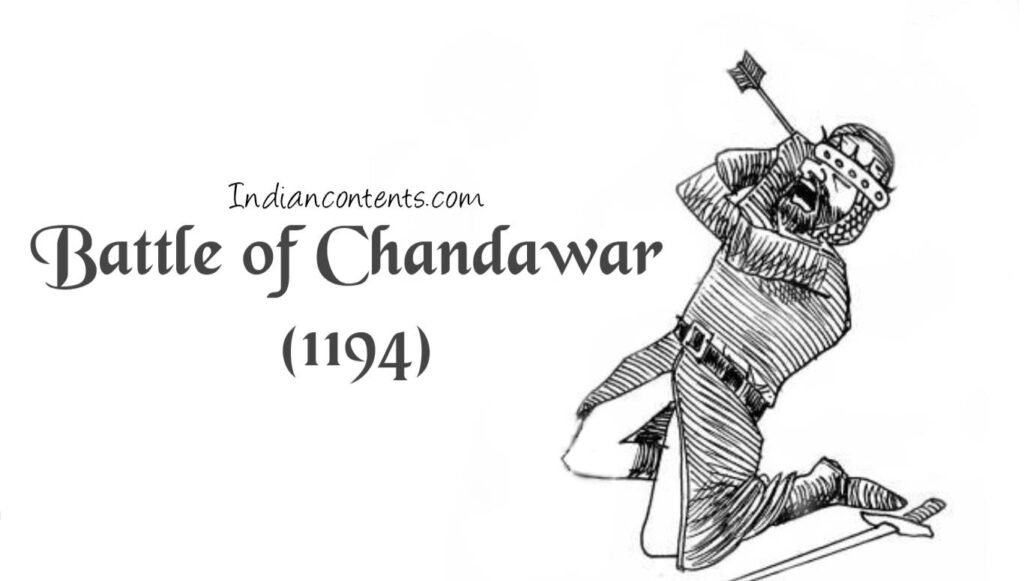
Artistic representation of Muhammad Ghori’s campaigns against Rajput forces.

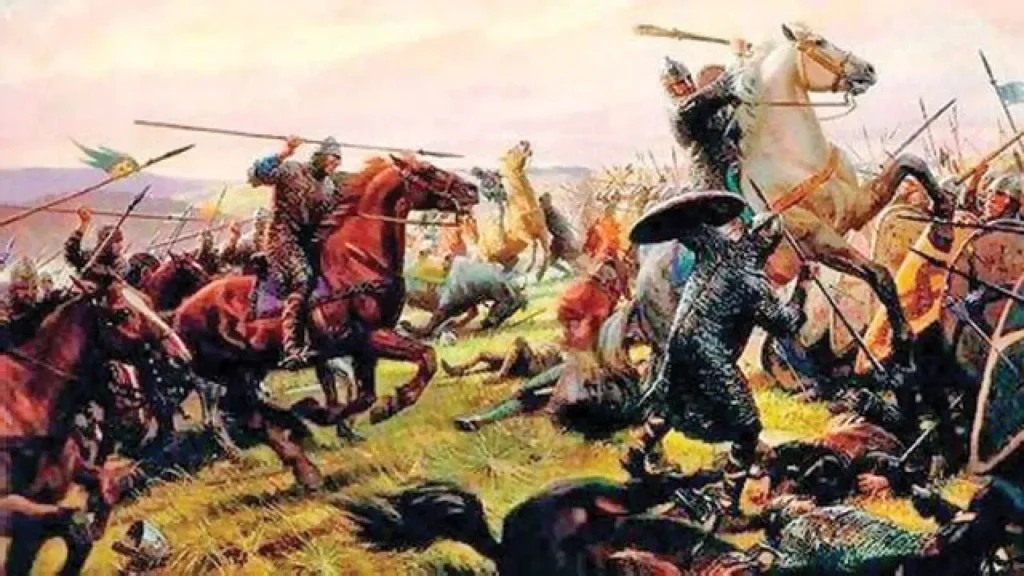
Depiction of a Ghurid-Rajput battle scene.
The Traitor Legend: Origins and Critical Analysis
The myth alleges Jayachandra’s daughter Samyogita eloped with Prithviraj, prompting Jayachandra to invite Ghori.
Primary source: Prithviraj Raso (16th–17th century recensions). Earliest versions mention rivalry but not Ghori invitation. Full inaccuracies abound (wrong genealogies).
First explicit betrayal: Abul Fazl’s Ain-i-Akbari (16th century)—400 years later.
Contemporary silence: No Gahadavala/Chahamana inscriptions or early Persian accounts (Tarain battles) mention alliance or conflict between Jayachandra and Prithviraj. Texts like Hammira Mahakavya (c. 1400 CE) omit Jayachandra.
Scholars (Roma Niyogi, Dasharatha Sharma, R.C. Majumdar) conclude: Myth to explain disunity, amplified in bardic/Mughal eras. Possible rivalry existed, but no treason.
Legacy and Rehabilitation
Jayachandra defended Hindu sacred centers until death. His defeat facilitated Ghurid expansion. Modern scholarship rehabilitates him as a brave patron-king.
References and Sources
- Niyogi, Roma. The History of the Gahadavala Dynasty. Calcutta: Calcutta Oriental Book Agency, 1959.
- Verma, T.P. Inscriptions of the Gahadavalas and Their Times. New Delhi: Aryan Books, 2011.
- Hasan Nizami. Taj-ul-Maasir (trans. in Elliot and Dowson, History of India as Told by Its Own Historians).
- Epigraphia Indica volumes (various inscriptions).
- Indica Today: “The Historical Assessment of Commonly Misconstrued King Jayachandra” (2021).
- Wikipedia: “Gahadavala dynasty,” “Jayachandra” (with cited sources).
- Majumdar, R.C. Ancient India.
- Coins: Catalogues from British Museum and private collections.