

Introduction: Post-War Britain and the Indian Impasse
The end of World War II in 1945 left Britain economically exhausted and unable to sustain its empire. The Labour government under Clement Attlee committed to granting India independence. However, deep divisions between the Indian National Congress (advocating a united, secular India with a strong centre) and the All-India Muslim League (demanding Pakistan under Muhammad Ali Jinnah) complicated matters.
Table of Contents

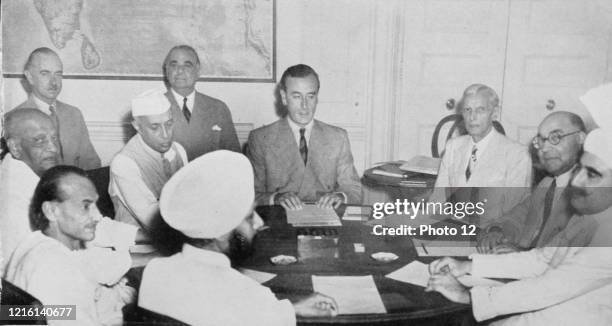
To bridge this gap, Attlee dispatched the Cabinet Mission—comprising Secretary of State for India Lord Pethick-Lawrence, Board of Trade President Sir Stafford Cripps, and First Lord of the Admiralty A.V. Alexander—to India on March 24, 1946. After months of consultations, the Mission issued its plan on May 16, 1946. This was Britain’s last major effort to transfer power to a united India.

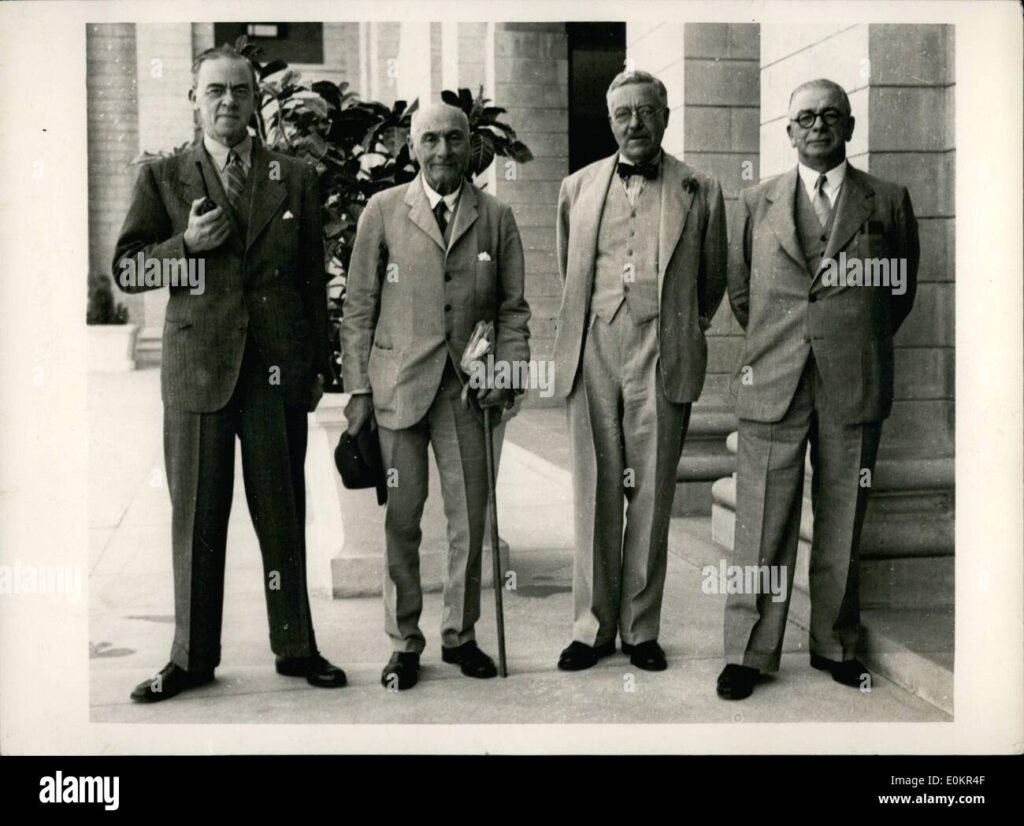
The Cabinet Mission arriving in India and meeting Indian leaders, 1946.
Key Provisions of the Cabinet Mission Plan
The plan rejected a sovereign Pakistan, citing impracticalities like non-Muslim majorities in parts of Punjab and Bengal, and minority issues. It proposed a three-tier federal structure:
- Union of India — Handling Defence, Foreign Affairs, and Communications, with revenue-raising powers. Residuary powers with provinces.
- Groups of Provinces — Provinces grouped into three sections (A, B, C) to frame group constitutions.
- Provinces — Full autonomy on other subjects.
Grouping Details:
- Section A (Hindu-majority): Madras, Bombay, United Provinces, Bihar, Central Provinces, Orissa.
- Section B (Muslim-majority northwest): Punjab, NWFP, Sindh, Baluchistan.
- Section C (Muslim-majority northeast): Bengal and Assam.
The Constituent Assembly (389 members: 292 elected from British provinces, 93 from princely states, 4 from chief commissioners’ provinces) would frame the constitution: first as a whole, then in sections for groups, then reassembled for the Union.
Provinces could opt out of groups after initial elections; review possible after 10 years.
An interim government was proposed, and princely states would negotiate accession post-paramountcy lapse.
The grouping clause proved most controversial, interpreted differently by parties.

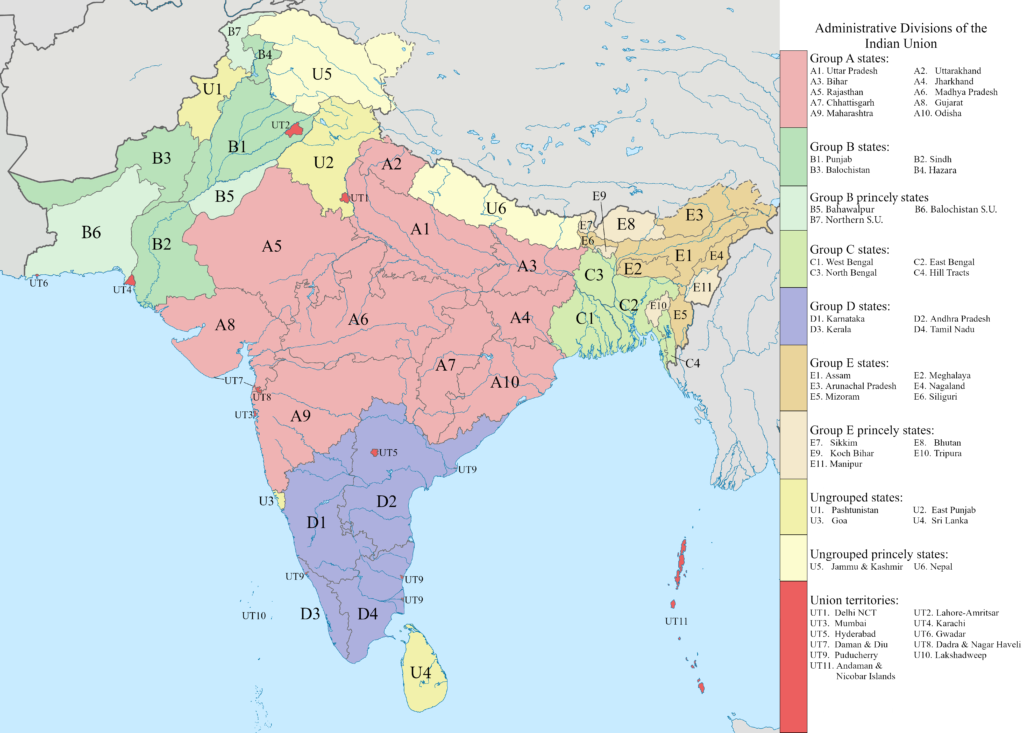
Maps illustrating the proposed provincial groupings under the Cabinet Mission Plan, 1946.
Reactions: Congress and Muslim League
Muslim League → Initially accepted on June 6, 1946, seeing Groups B and C as providing “the substance of Pakistan.” Jinnah viewed compulsory grouping as enabling autonomous Muslim zones.
Congress → Accepted conditionally on June 25, appreciating rejection of Pakistan but opposing compulsory grouping as weakening the centre and risking de facto i. Congress insisted grouping was voluntary.
Nehru’s July 10, 1946, press conference clarified Congress was not bound by grouping, provinces could decide independently. This enraged Jinnah, who withdrew League acceptance on July 29, calling for “Direct Action Day” on August 16, triggering riots starting with the Great Calcutta Killings.
The plan collapsed amid mistrust.
The Assam Controversy: Grouping with Bengal
Section C grouped Hindu-majority Assam (1941 census: ~52% non-Muslim) with Muslim-majority Bengal, giving a slim Muslim edge overall. Assam feared domination by Bengal’s League government, economic exploitation (tea/oil resources), cultural erosion, and demographic shifts via migration.
Gopinath Bordoloi (Assam Premier) led fierce opposition, backed by Assam Congress.
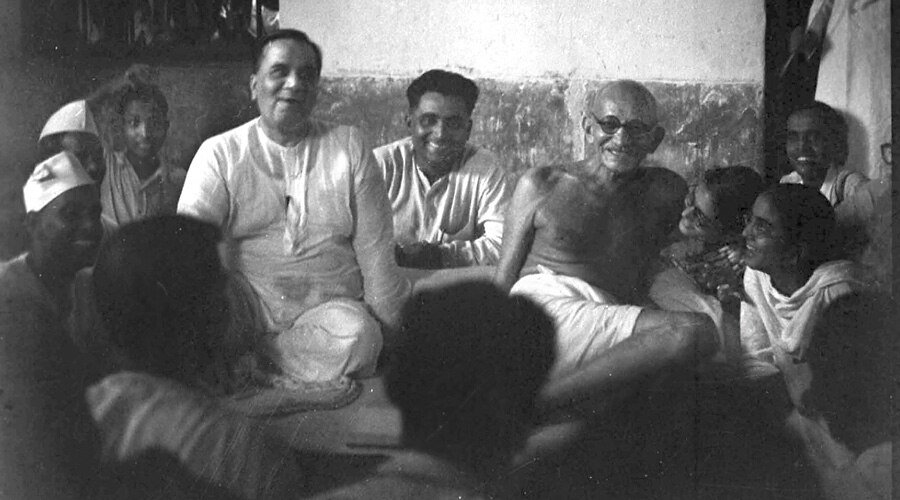
Mahatma Gandhi’s Stand — Strongly opposed. In December 1946, he told Assam leaders: “Assam must not lose its soul. It must uphold it against the whole world… It is an impertinent suggestion that Bengal should dominate Assam in any way.” He urged protest, even retiring from the Constituent Assembly if needed. Gandhi feared League control would enable Muslim infiltration, altering demographics.
Jawaharlal Nehru’s Stand — Opposed forcing Assam. In letters to Bordoloi: July 22, 1946 – “I feel that to decide against the Group was right and proper”; September 23, 1946 – “In no event are we going to agree to a province like Assam being forced against its will to do anything.”
Bordoloi’s resistance, supported by Gandhi (and later Patel), ensured Assam stayed out of Group C, remaining in India.

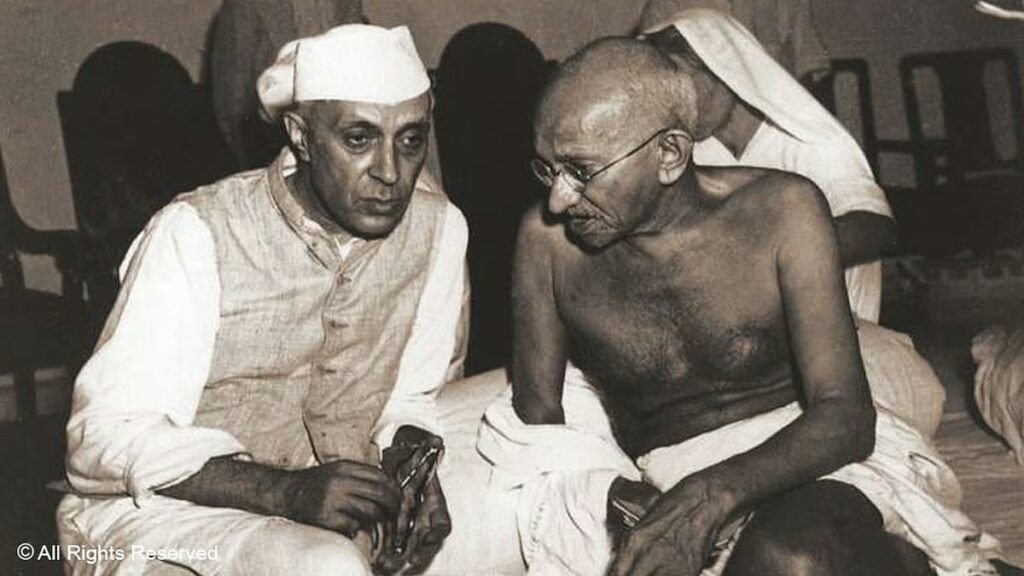
Mahatma Gandhi during 1946-1947, including his efforts for communal harmony.

Similar concerns in Punjab/NWFP for non-Muslims/Congress interests.
Gandhi and Nehru on Partition
Both initially opposed partition as “vivisection” of India.
Gandhi → Vehemently against until the end. Proposed compromises like making Jinnah Prime Minister. On June 3, 1947 (Mountbatten Plan): “I can see only evil in the plan.” Reluctantly accepted to avert more violence, fasting in riot-torn areas.
Nehru → Opposed until 1947, believing it wouldn’t resolve issues. Accepted pragmatically amid riots for a strong centre. Later reflected it prevented civil war.
Sardar Patel accepted earlier (by late 1946), prioritizing stability. The League’s intransigence and violence made partition inevitable.

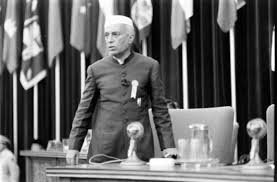
Jawaharlal Nehru in 1946, during the interim government period.
Role of Princely States and Their Integration
The plan allocated 93 Constituent Assembly seats to princely states but left accession vague: paramountcy lapsed, states free to negotiate.
Post-independence, over 560 states faced choices. Sardar Vallabhbhai Patel, as Minister of States (with V.P. Menon), integrated them via diplomacy, privy purses, and force if needed.
- Instrument of Accession — Ceded defence, foreign affairs, communications.
- Most acceded peacefully.
- Challenges: Junagadh (plebiscite to India), Hyderabad (Operation Polo, 1948), Kashmir (accession amid invasion).
Patel’s efforts prevented balkanization.

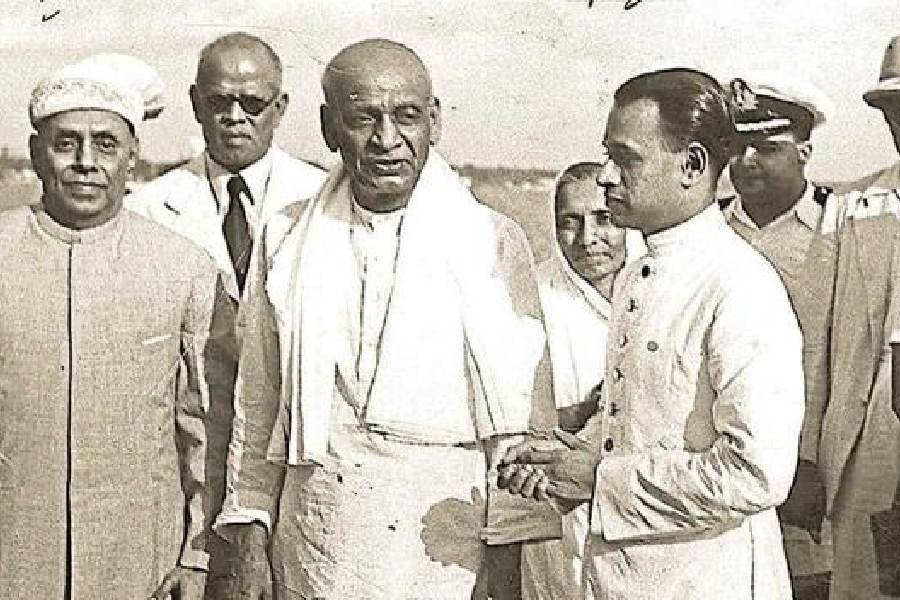
Sardar Patel negotiating with princely rulers.
The Partitions of Bengal: 1905 and 1947
1905 Partition → Announced by Lord Curzon for “administrative efficiency” (Bengal too large). Divided into Hindu-majority West Bengal and Muslim-majority East Bengal + Assam. Seen as “divide and rule” to weaken Bengali nationalism/Swadeshi. Sparked massive protests; annulled in 1911 (capital to Delhi).

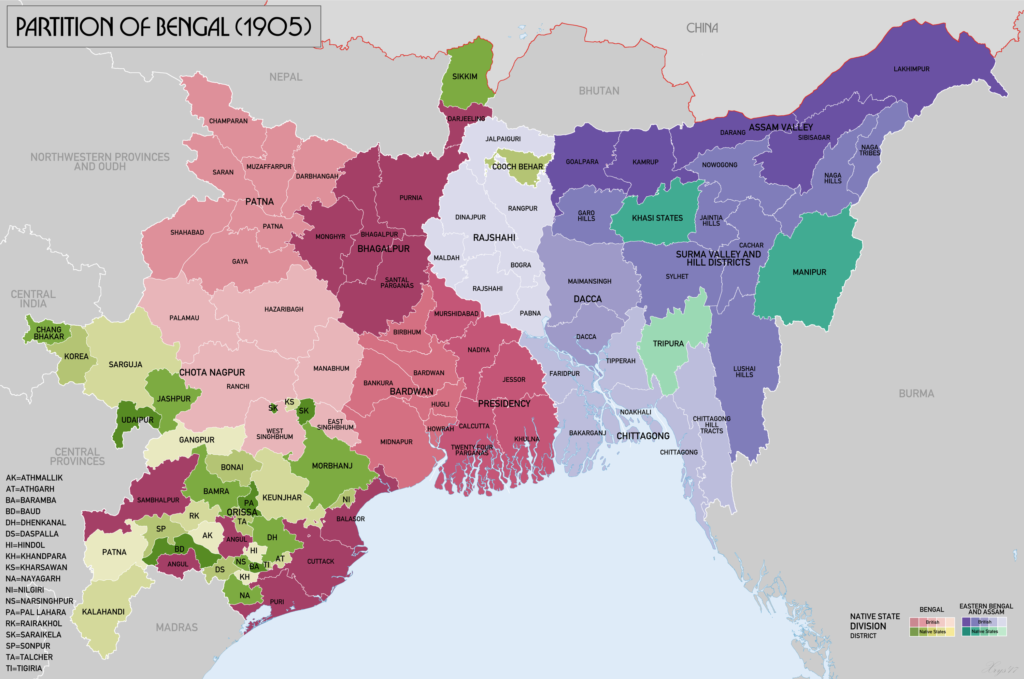
Maps of the 1905 Partition of Bengal.
1947 Partition → Along religious lines: Hindu-majority West Bengal to India, Muslim-majority East to Pakistan (later Bangladesh). Radcliffe Line; horrific violence and migrations.

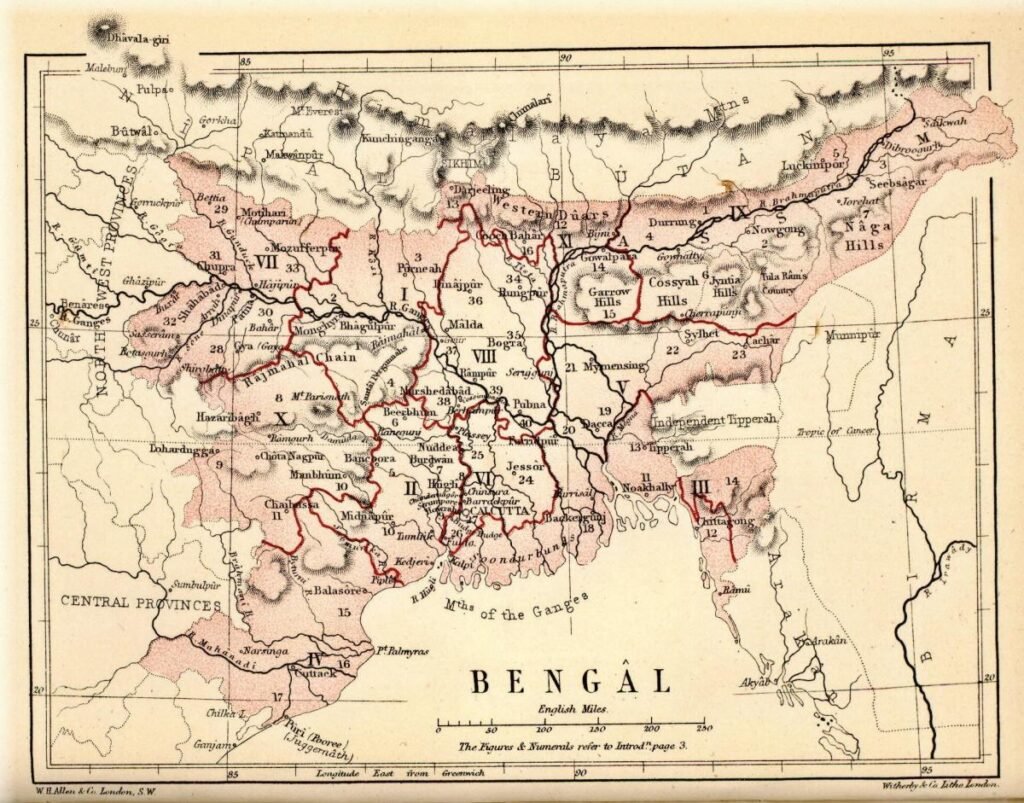
The 1905 partition deepened communalism, realized in 1947.
Conclusion: A Tragic Legacy
The Cabinet Mission Plan aimed for unity but failed due to grouping disputes and mistrust. Assam’s resistance preserved its integrity. Gandhi’s opposition to partition contrasted with pragmatic acceptance amid violence. Patel unified the nation. Bengal’s divisions highlight colonial legacies.
The plan’s collapse led to partition’s horrors, but shaped India’s federal democracy.
References:
- Cabinet Mission Plan official text and details: Wikipedia (1946 Cabinet Mission to India); Constitution of India website.
- Gandhi on Assam: Collected Works of Mahatma Gandhi; Indian Express (2025 article).
- Nehru letters: Nehru Archive; cited in multiple sources.
- Gandhi/Nehru on partition: Collected Works; National Herald; The Hindu.
- Bengal partitions: Wikipedia; Britannica.
- Princely states: INC website; various historical accounts.
- Reactions: Insights on India; Vajiram & Ravi.