

Rise, O Ancient One! The Aravalli’s Silent Cry for Glory and Reverence
In the vast tapestry of India’s sacred landscapes, one ancient guardian stands humbled and eroded, its peaks worn by billions of years of wind and time. The Aravalli Range – older than the Himalayas by eons, a relic from Earth’s primordial crust – whispers tales of endurance that dwarf the dramatic rise of younger ranges. Yet, while the snow-capped Himalayas bask in mythological splendor as the abode of gods, the Aravalli remains a forgotten elder, scarcely mentioned in scriptures.
Table of Contents

Imagine the fire in the hearts of people from Haryana, Gujarat, Delhi-NCR, and beyond if this timeless sentinel were exalted in the Vedas, Ramayana, Mahabharata, and Puranas. Pride would surge like monsoon rivers; awe would grip souls; a fierce protective zeal would awaken. This expanded exploration delves deep into the Aravalli’s geological supremacy, its muted voice in mythology, and the emotional awakening that a hypothetical divine spotlight could ignite across non-Rajasthani states.
Born in Earth’s Dawn – The Unrivaled Antiquity of Aravalli
The Aravalli Range is not just old; it is a living fossil of planetary formation. Its rocks trace back to the Archean and Proterozoic eras, with ages estimated at 2.5 to 3.5 billion years. Formed through ancient cratonic collisions during the Aravalli Orogeny (around 1.8-1.9 billion years ago) and Delhi Orogeny, it predates continental drift as we know it.
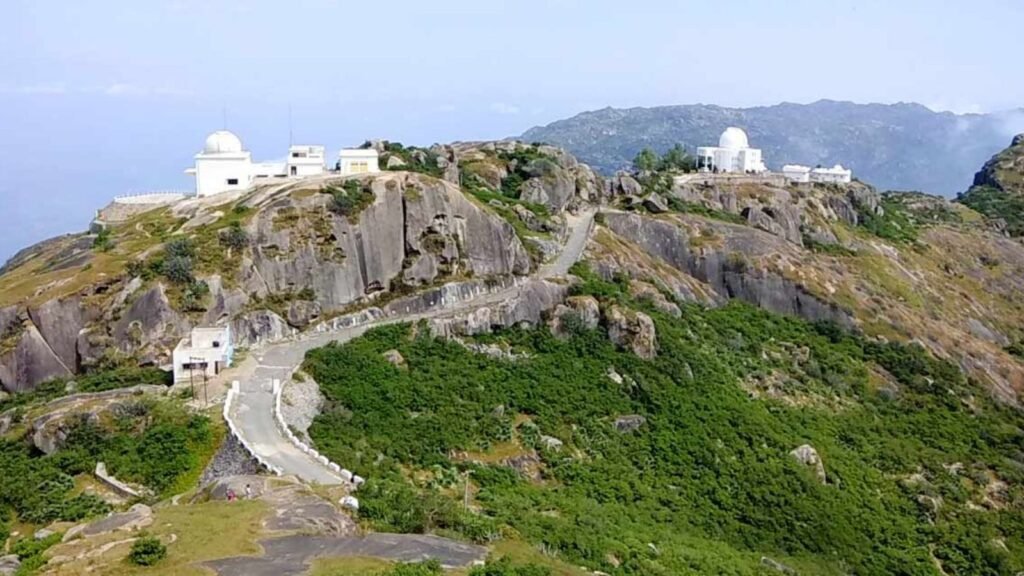
NASA describes these weathered hills as remnants of mountains that once towered mightily, eroded over billions of years into gentle ridges. The highest peak, Guru Shikhar (1,722 m) on Mount Abu, stands as a humble testament to this endurance.
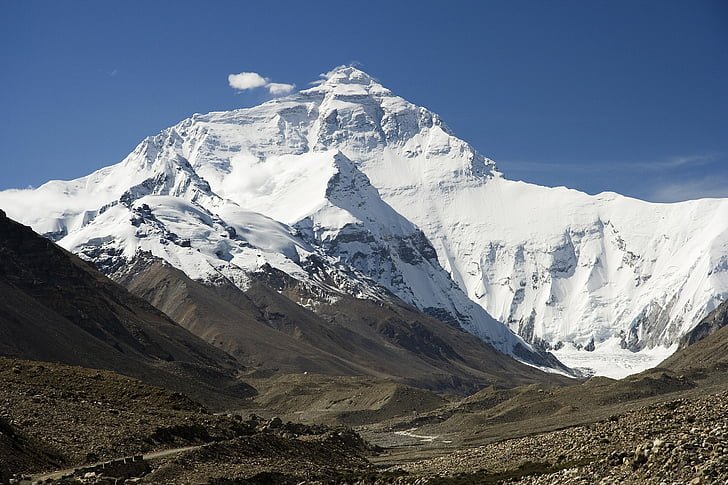
In stark contrast, the Himalayas – dramatic, snow-clad, ever-rising – formed a mere 50 million years ago from the Indo-Eurasian plate collision. They are “young fold mountains,” still thrusting upward, while Aravalli represents stabilized ancient crust.

Geologists rank Aravalli among the world’s oldest ranges, comparable to South Africa’s Makhonjwa Mountains (3.5 billion years). Its quartzite, gneiss, and marble hold clues to Earth’s early atmosphere and life origins.
This antiquity evokes profound emotion: Aravalli witnessed the birth of continents, the rise of oceans, and the dawn of life – long before Himalayas pierced the sky.
Divine Thrones vs. Silent Vigil – Mythological Disparity
Hindu scriptures lavish glory on the Himalayas. Himavat (or Himavan), personification of the range, fathers Parvati (Shiva’s consort) and Ganga. Mount Kailash is Shiva’s eternal abode; Meru the cosmic axis.
Rig Veda hymns praise snowy peaks; Mahabharata and Puranas depict sages’ retreats, divine battles, and sacred rivers’ descent. Kailash remains unclimbed, revered as axis mundi.
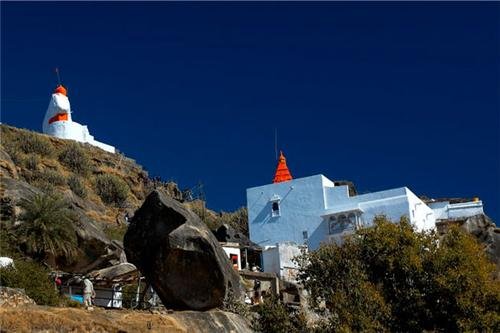
Aravalli? Scarcely a whisper. No personified deity, no epic abode. Indirect mentions in regional folklore or later texts link to Hanuman (Ramayana) or mining, but core scriptures – Vedas, epics, major Puranas – remain silent.

Reasons abound:
- Geography and Migration: Vedic Aryans entered via northern passes, encountering dramatic Himalayas first. Snowy heights inspired awe; eroded Aravalli seemed mundane.
- Ascetic Ideal: Towering, inaccessible peaks suited yogic isolation; Aravalli’s gentler terrain supported settlements, mining.
- Cultural Focus: Epics centered on Gangetic plains and northern kingdoms; Aravalli lay peripheral.


This omission stings – an ancient giant overlooked for a youthful upstart.
Igniting the Soul – Hypothetical Emotions if Aravalli Shone in Scriptures
Envision scriptures exalting Aravalli as primordial cradle, birthplace of wisdom rivers, or eternal vigil against chaos. Emotions for non-Rajasthanis (Haryana, Delhi, Gujarat, UP borders) would erupt volcanically:
Surge of Unbreakable Pride
Delhi-NCR residents, viewing southern ridges as urban eyesores, would swell with pride: “Our backyard cradled creation’s dawn!” Haryana farmers: “These hills, older than gods’ thrones, guarded our plains eternally.”
Profound Awe and Spiritual Awakening
Knowing local hills predated Himalayas by billions, yet hosted divine epics, would evoke wonder: “Eroded peaks symbolize resilience – enduring silently while young ranges boast.”
Gujarat’s Mount Abu (Guru Shikhar) would rival Kailash in pilgrimage fervor.
Fierce Protective Zeal
Mythological sanctity breeds conservation. Bishnoi-like devotion would spread: “Touch these sacred ancients, face divine wrath!” Mining threats would ignite nationwide outrage.
Cultural Reclamation and Unity
Non-Rajasthanis often feel northwestern identity overshadowed by Himalayan-centric lore. Aravalli prominence would validate: “Our land central to cosmic tales!” Bridging regional divides.
Vindication and Quiet Triumph
“Envy” of Himalayan states resolved: “Their peaks young and flashy; ours ancient, wise – true eternal guardians.”
In reality, mythological silence contributes to vulnerability – no sacred aura shields from exploitation.
The Aravalli’s Unsung Epic – Ecological and Cultural Heroism Today
Even without scriptural glory, Aravalli embodies mythic heroism: blocking Thar Desert, recharging aquifers for millions, sustaining biodiversity.
Bishnoi sacrifices echo ancient valor. If mythologized, emotions would mirror Himalayan reverence – pilgrimages, festivals, unbreakable bonds.
Awakening the Forgotten Elder: A Call to Reverence
Aravalli needs no borrowed glory; its geological truth outshines myths. Yet, imagining scriptural exaltation reveals suppressed emotions: pride denied, awe muted, protection delayed.
Rise for the ancient sentinel! Let modern India script new lore – venerating Aravalli as Earth’s eternal witness, igniting hearts across states with fire long overdue.
References:
- Geological: NASA Earth Observatory; Wikipedia (Aravalli Range); Geological Survey of India; Precambrian Research.
- Mythological: Vishnu Purana; Shiva Purana; Mahabharata; Rig Veda references to Himavat; limited Aravalli mentions in secondary sources.
- Cultural/Emotional Analysis: Derived from historical geography, migration theories, and comparative mythology studies.